
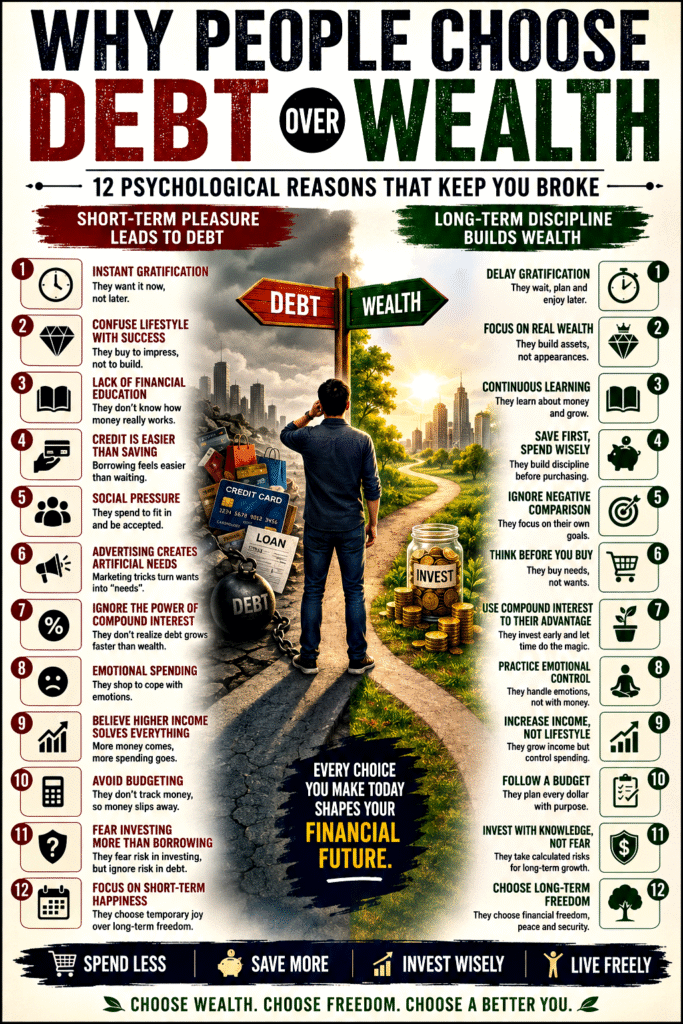
Why Most People Stay in Debt Instead of Building Wealth
Many people dream of becoming wealthy, yet their daily financial choices often move them in the opposite direction. Debt is not always bad—borrowing for education, a business, or a home can be a wise investment. However, many people fall into unnecessary debt because of habits, emotions, and psychological biases rather than genuine financial needs.
Below are the major reasons why people often choose debt over wealth, explained point by point.
1. They Prefer Instant Gratification Over Long-Term Rewards
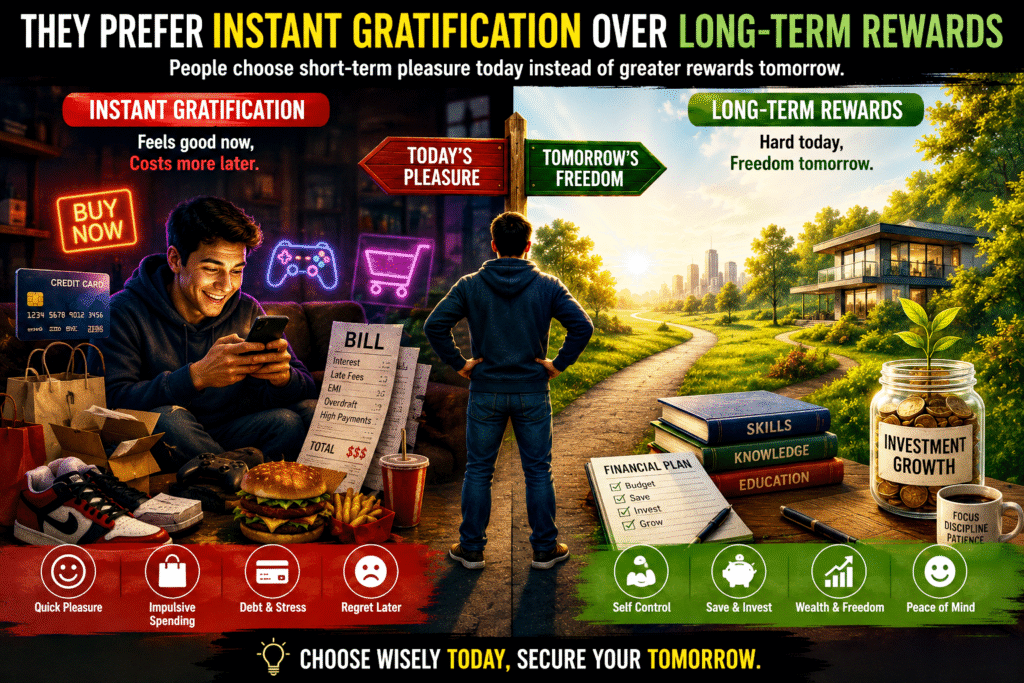
Key Point: People naturally value immediate pleasure more than future financial security.
One of the biggest reasons people accumulate debt is the desire to enjoy life today rather than wait until they can afford something. Credit cards, buy-now-pay-later services, and easy loans make it possible to purchase expensive items immediately without having the money.
Unfortunately, every purchase made on borrowed money reduces future financial freedom. Wealth is built through patience, while debt often grows through impatience.
Lesson: Learning to delay gratification is one of the most powerful financial habits.
2. They Confuse Lifestyle with Success

Key Point: Looking wealthy is often mistaken for being wealthy.
Many people buy luxury cars, expensive phones, designer clothing, and large houses to impress others. While these purchases may create the appearance of success, they are often financed through loans.
True wealth is measured by assets, savings, and investments—not by appearances.
The wealthiest people often spend less than they earn, while those trying to appear rich may spend more than they make.
Lesson: Build real wealth instead of buying the image of wealth.
3. They Lack Financial Education
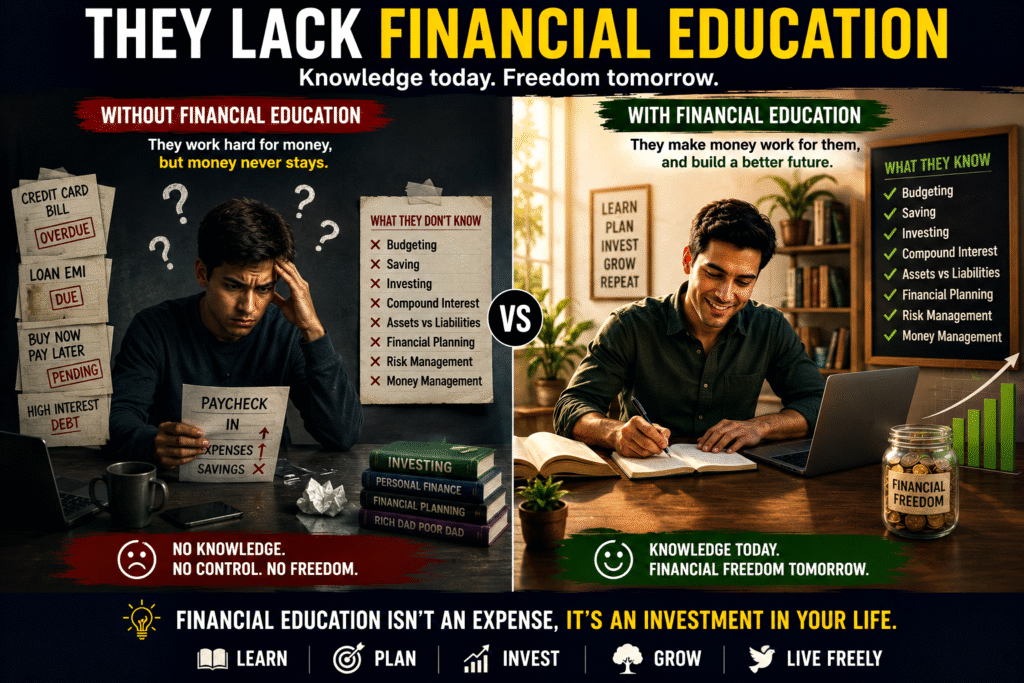
Key Point: People cannot make wise financial decisions if they never learn how money works.
Schools teach mathematics, science, and history, but many people never learn about budgeting, investing, compound interest, taxes, or debt management.
Without financial knowledge, borrowing money can seem normal, while saving and investing may appear difficult or unnecessary.
Financial education changes how people think about money and helps them make better long-term decisions.
Lesson: Knowledge is one of the greatest investments you can make.
4. Credit Is Easier Than Saving
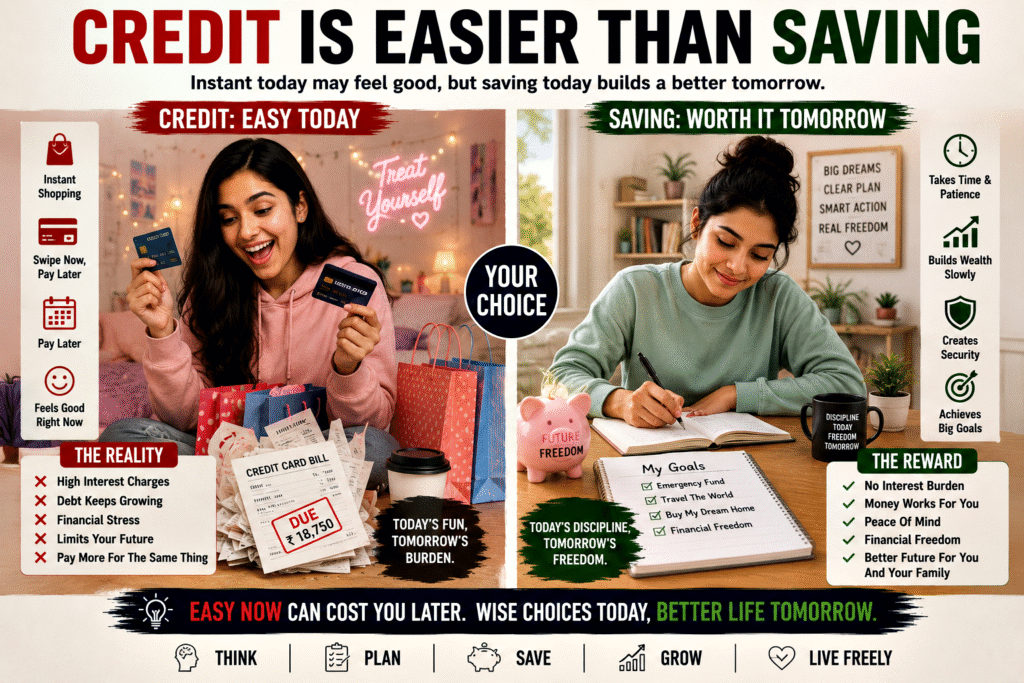
Key Point: Borrowing requires less discipline than saving.
Saving for a purchase may take months or even years. Borrowing allows people to own something immediately.
Because lenders make borrowing quick and convenient, many people choose the easier option instead of developing saving habits.
Unfortunately, convenience often comes with high interest costs that make purchases far more expensive.
Lesson: Easy decisions today often create difficult financial situations tomorrow.
5. Social Pressure Encourages Overspending
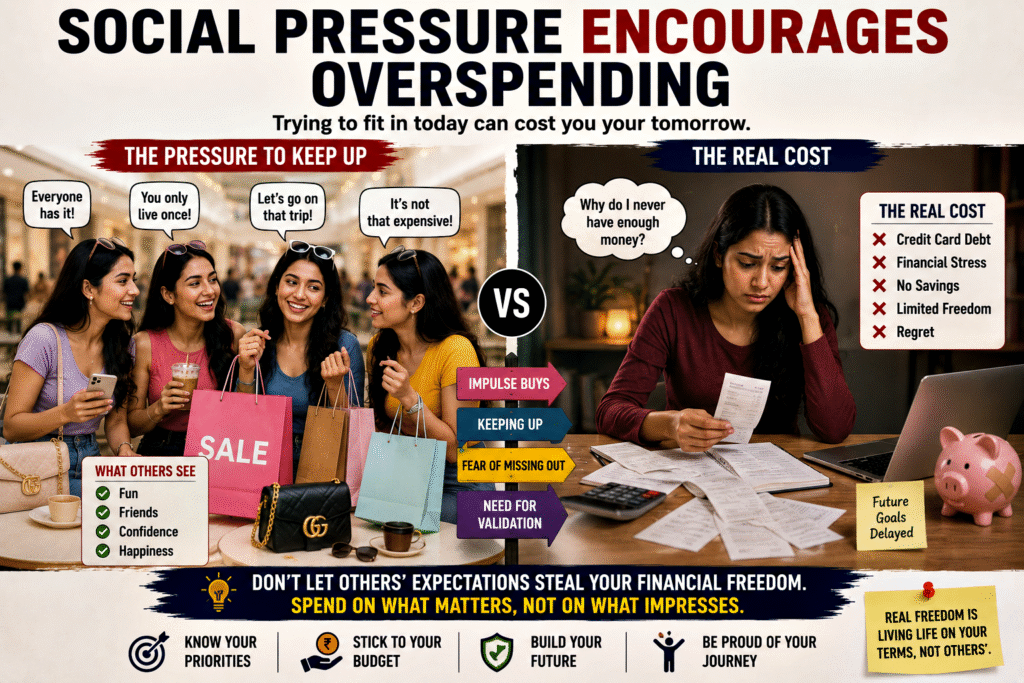
Key Point: People often spend money to gain social acceptance.
Friends, coworkers, and family members can unknowingly encourage unnecessary spending.
People may feel pressured to:
- Buy expensive gadgets
- Wear fashionable clothes
- Drive luxury cars
- Take costly vacations
- Celebrate lavish events
Instead of following their own financial goals, they try to match the lifestyle of others.
Lesson: Comparing yourself with others is one of the fastest ways to lose financial stability.
6. Advertising Creates Artificial Needs

Key Point: Marketing convinces people to buy things they never planned to purchase.
Modern advertising is designed to trigger emotions rather than logical thinking.
Companies create urgency through messages like:
- “Limited Time Offer”
- “Only a Few Left”
- “Buy Now”
- “Zero Down Payment”
These tactics encourage impulse buying, often leading to unnecessary debt.
Lesson: Separate genuine needs from clever marketing.
7. They Ignore the Power of Compound Interest
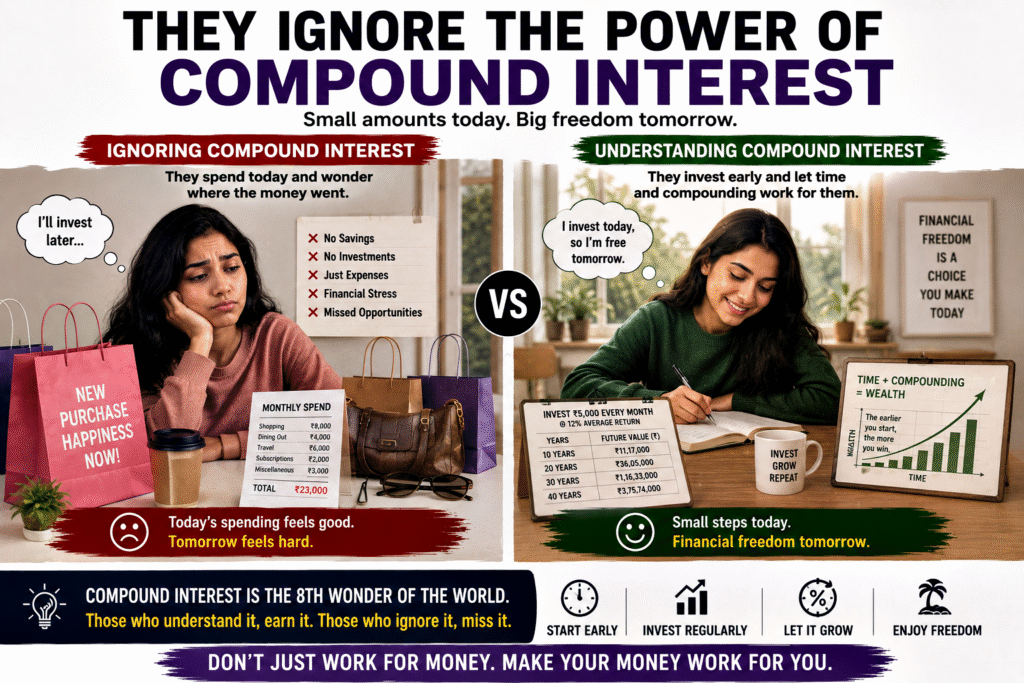
Key Point: Many people underestimate how money grows over time.
Compound interest works in two ways:
- Investments grow faster over time.
- Debt also grows through accumulating interest.
People who invest early allow their money to work for them. People who borrow heavily allow interest to work against them.
A small investment started today can become substantial over several decades.
Lesson: Time is the greatest advantage in building wealth.
8. Emotional Spending Replaces Emotional Control
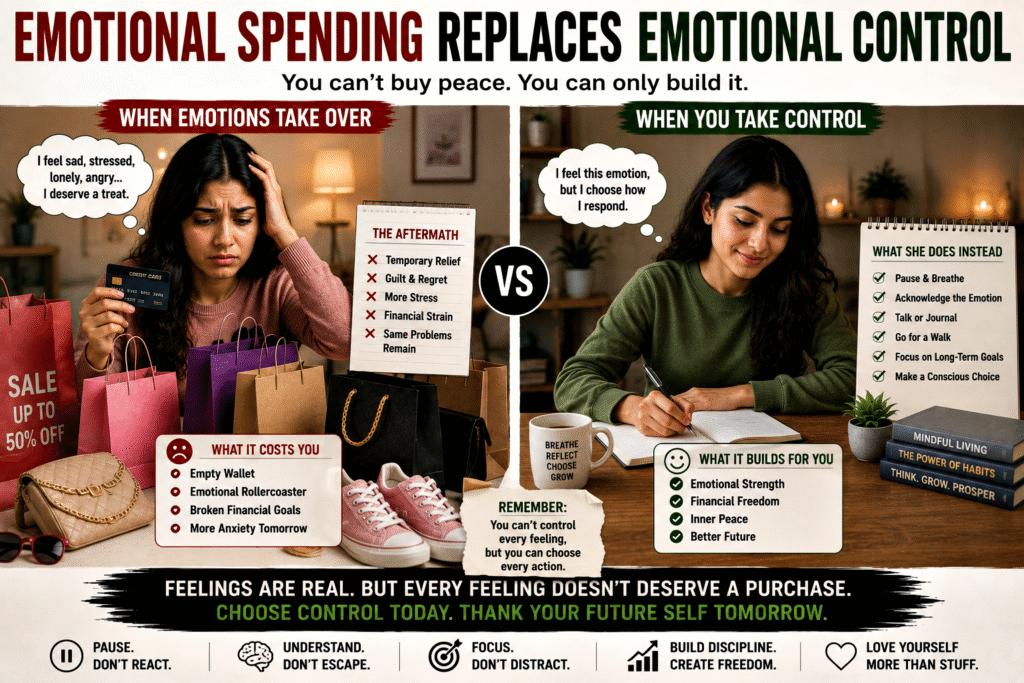
Key Point: Many purchases are driven by emotions rather than necessity.
People often spend money when they feel:
- Stressed
- Lonely
- Bored
- Angry
- Depressed
- Excited
Shopping provides temporary emotional relief but often results in long-term financial stress.
Developing healthier coping mechanisms reduces emotional spending.
Lesson: Control emotions before making financial decisions.
9. They Believe Higher Income Solves Everything

Key Point: Income alone does not create wealth.
Many people assume that earning more money will automatically solve financial problems.
However, as income increases, spending often increases as well. This phenomenon is known as lifestyle inflation.
Without disciplined saving and investing, even high earners can remain trapped in debt.
Lesson: Wealth depends more on financial habits than income level.
10. They Avoid Budgeting

Key Point: What isn’t managed usually gets wasted.
Many people have no clear understanding of:
- Monthly income
- Monthly expenses
- Savings goals
- Outstanding debts
Without a budget, spending becomes reactive instead of intentional.
A simple budget helps identify unnecessary expenses and increases financial awareness.
Lesson: Every successful financial plan begins with a budget.
11. They Fear Investing More Than Borrowing
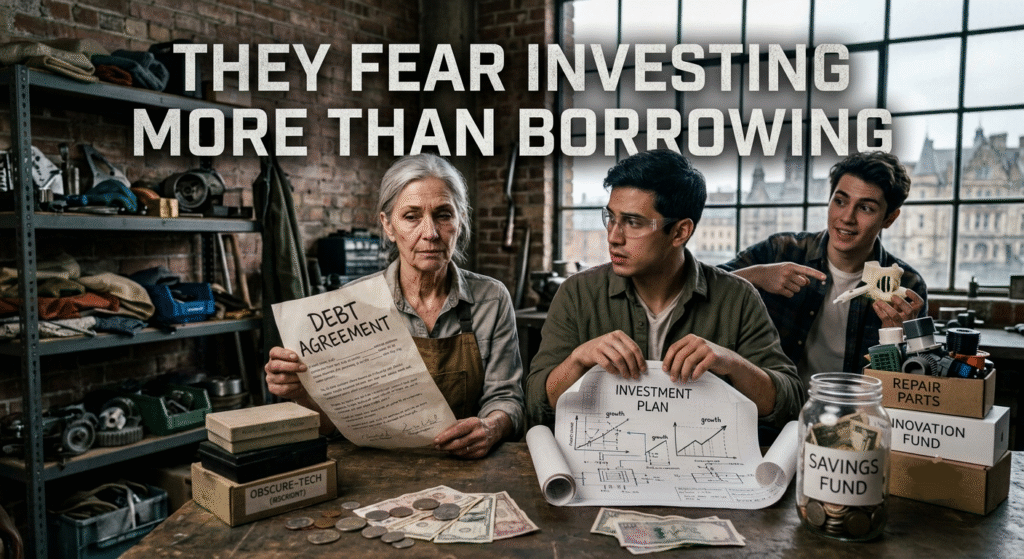
Key Point: People often avoid investments because they fear losing money.
Ironically, many people are comfortable taking loans with high interest rates but hesitate to invest due to fear of market fluctuations.
While investments involve risk, avoiding investing entirely often guarantees slower wealth creation.
Educated investing generally provides better long-term financial outcomes than leaving money idle.
Lesson: Learn before investing, but don’t let fear prevent growth.
12. They Focus on Short-Term Happiness Instead of Long-Term Freedom
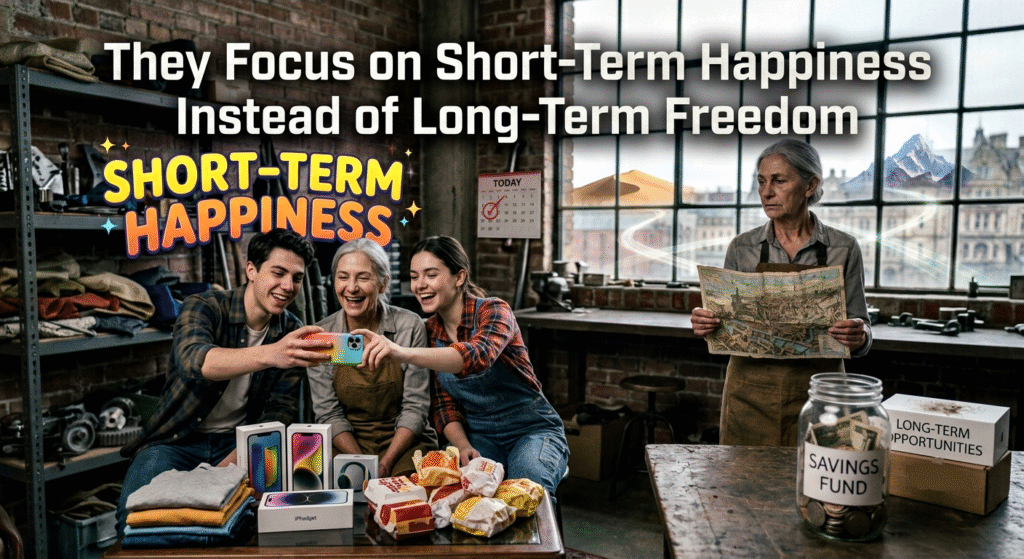
Key Point: Temporary pleasures often replace lasting financial security.
Buying something new provides excitement, but the feeling usually fades quickly.
Financial freedom, however, offers lasting benefits:
- Less stress
- Greater flexibility
- More opportunities
- Peace of mind
- Better retirement security
Building wealth requires consistently choosing long-term freedom over short-term excitement.
Lesson: Financial independence is worth more than temporary luxury.
Final Thoughts
Debt is often the result of emotional decisions, social influence, and a lack of financial knowledge rather than a lack of intelligence. Wealth, on the other hand, is usually built through patience, disciplined spending, continuous learning, and consistent investing over many years.
The difference between people who remain in debt and those who build wealth often comes down to everyday habits. Choosing to spend less than you earn, avoid unnecessary borrowing, invest regularly, and think long-term can gradually transform your financial future. Every smart financial decision, no matter how small, is a step toward greater stability, freedom, and lasting wealth.