
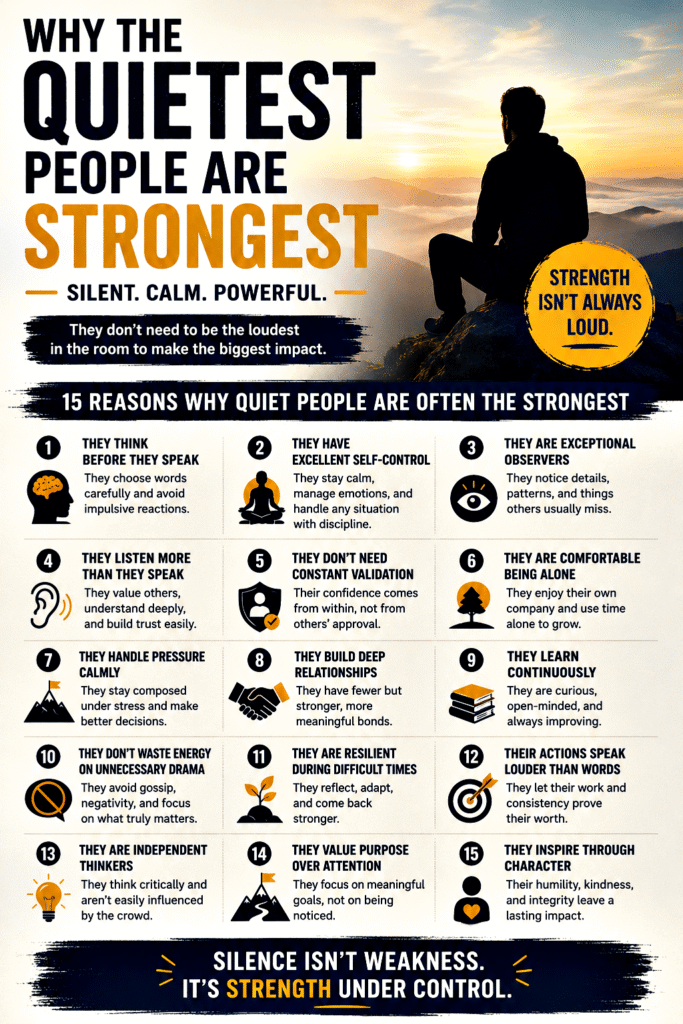
Why Calm and Quiet People Are Emotionally Stronger
In a world where confidence is often measured by how loudly someone speaks or how much attention they attract, quiet people are frequently misunderstood. Many assume that being silent means being shy, weak, or lacking confidence. However, psychology and real-life experience suggest something very different. Some of the strongest, most resilient, and most influential people are those who speak less and observe more.
Quiet people often possess emotional stability, deep thinking, patience, and self-control—qualities that contribute to genuine strength rather than temporary displays of confidence. Their power comes from within rather than from external validation.
Below are the reasons why the quietest people are often the strongest.
1. Quiet People Think Before They Speak
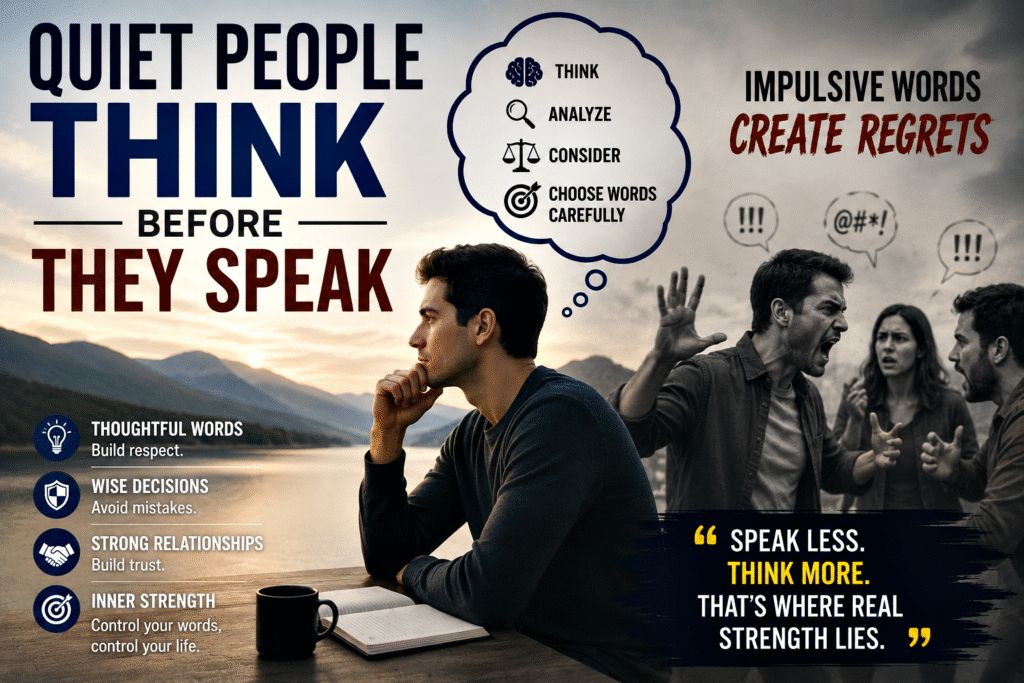
Key Point: Thoughtful responses are usually more powerful than impulsive reactions.
One of the biggest strengths of quiet people is that they rarely speak without thinking. Instead of reacting emotionally, they take time to process information, analyze situations, and choose their words carefully.
This habit reduces misunderstandings and helps them make wiser decisions. While others may regret speaking too quickly, quiet individuals often avoid unnecessary conflicts because they have already considered the consequences of their words.
Thinking before speaking also creates an impression of wisdom. People tend to value opinions that are well-considered rather than emotionally driven.
Lesson: Strength begins with controlling your words rather than letting your emotions control them.
2. They Have Excellent Self-Control
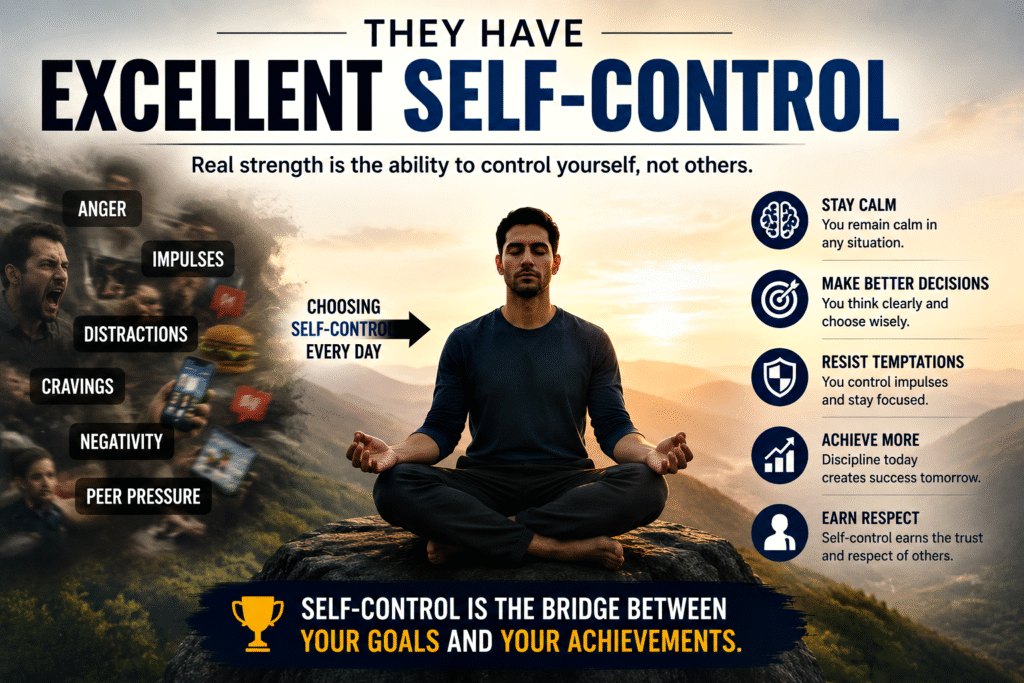
Key Point: Real strength is the ability to control yourself, not others.
Psychologists often describe self-control as one of the strongest predictors of long-term success.
Quiet people are generally less impulsive. Instead of reacting immediately to criticism, anger, or frustration, they remain calm and evaluate the situation.
This emotional discipline allows them to:
- Avoid unnecessary arguments
- Make rational decisions
- Stay focused during stressful situations
- Resist temptations more effectively
Their calmness should never be mistaken for weakness. It often represents tremendous inner discipline.
Lesson: The strongest person is often the one who stays calm while everyone else loses control.
3. They Are Exceptional Observers
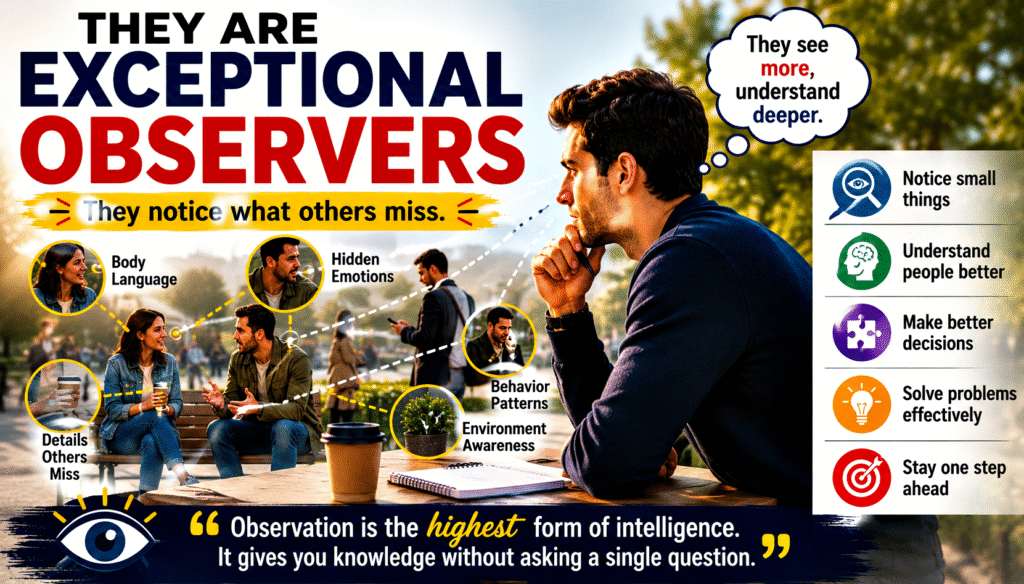
Key Point: Observation provides knowledge that constant talking cannot.
Because quiet people spend less time talking, they spend more time observing.
They notice:
- People’s body language
- Changes in emotions
- Hidden intentions
- Patterns of behavior
- Details others often miss
Observation allows them to understand situations more accurately than people who dominate conversations.
This makes quiet individuals excellent leaders, negotiators, teachers, and problem-solvers.
Lesson: The more carefully you observe, the better decisions you make.
4. They Listen More Than They Speak
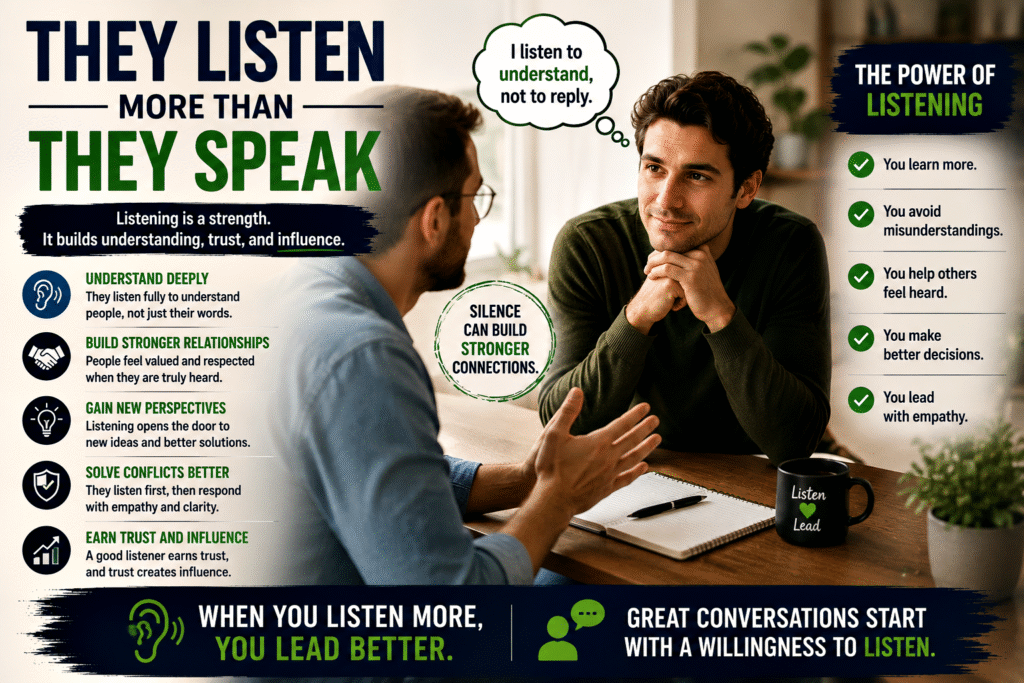
Key Point: Listening is one of the rarest leadership skills.
Many people listen only long enough to prepare their next response.
Quiet people genuinely listen.
Active listening helps them:
- Understand different perspectives
- Build trust
- Learn continuously
- Solve conflicts effectively
People naturally feel respected when someone listens without interrupting.
As a result, quiet individuals often build deeper and stronger relationships.
Lesson: Listening creates influence more effectively than constant talking.
5. They Don’t Need Constant Validation

Key Point: Inner confidence is stronger than external approval.
Many people seek attention because it provides temporary confidence.
Quiet individuals usually depend less on praise or recognition.
Their confidence comes from:
- Personal values
- Competence
- Knowledge
- Experience
- Self-respect
Because they don’t constantly seek approval, criticism affects them less.
This emotional independence makes them mentally stronger.
Lesson: Confidence that comes from within cannot easily be shaken.
6. They Are Comfortable Being Alone

Key Point: Solitude develops mental strength.
Many people fear being alone because it forces them to confront their own thoughts.
Quiet individuals often enjoy solitude.
Time alone allows them to:
- Reflect
- Learn new skills
- Read
- Plan
- Solve problems creatively
History shows that many inventors, scientists, writers, and philosophers produced their greatest work during periods of quiet reflection.
Solitude strengthens independence.
Lesson: People who enjoy their own company become less dependent on others for happiness.
7. They Handle Pressure Calmly

Key Point: Calmness under pressure is a sign of inner strength.
During emergencies or stressful situations, panic spreads quickly.
Quiet people often remain calm because they naturally process situations before reacting.
Their emotional stability helps them:
- Think logically
- Reduce mistakes
- Reassure others
- Make effective decisions
People frequently turn to calm individuals for guidance during difficult times.
Lesson: Staying calm during chaos is a powerful form of strength.
8. They Build Deep Relationships Instead of Many Superficial Ones

Key Point: Quality matters more than quantity.
Quiet people often have fewer friends, but their friendships tend to be stronger.
They value:
- Trust
- Loyalty
- Honesty
- Meaningful conversations
Instead of trying to impress everyone, they invest deeply in the people who truly matter.
These relationships often last for many years.
Lesson: Strong connections are built through sincerity, not popularity.
9. They Learn Continuously

Key Point: Curious minds become powerful minds.
Since quiet individuals spend more time listening and observing, they naturally absorb more information.
They often enjoy:
- Reading
- Research
- Learning new skills
- Understanding different viewpoints
This constant learning gradually increases their knowledge and confidence.
Knowledge compounds over time.
Lesson: Silent learning often leads to remarkable expertise.
10. They Don’t Waste Energy on Unnecessary Drama

Key Point: Protecting your peace preserves your strength.
Quiet people usually avoid gossip, pointless arguments, and unnecessary conflicts.
Instead of reacting to every opinion or insult, they choose where to invest their emotional energy.
This allows them to remain productive while others become exhausted by constant negativity.
Lesson: Ignoring unnecessary drama is a powerful life skill.
11. They Are More Resilient During Difficult Times
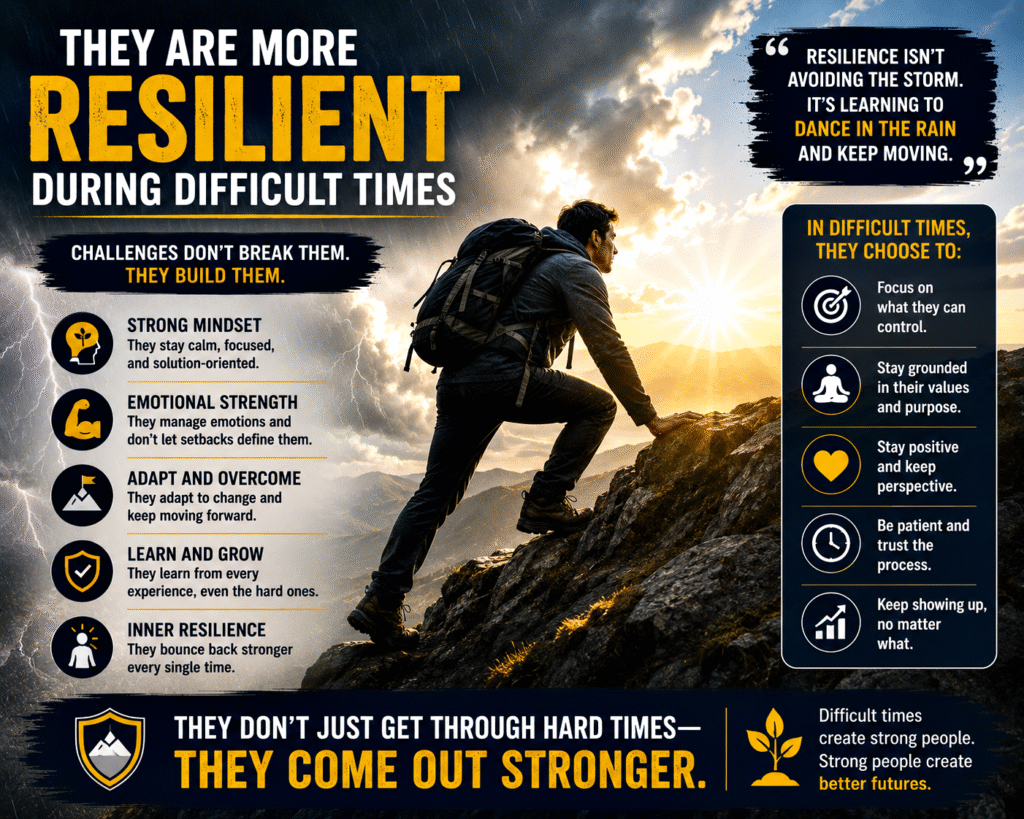
Key Point: Inner resilience grows through quiet reflection.
When life becomes difficult, quiet people often rely on introspection rather than emotional outbursts.
They analyze:
- What went wrong
- What they can improve
- What lessons they can learn
Instead of blaming others, they focus on personal growth.
This mindset helps them recover more effectively from setbacks.
Lesson: Reflection transforms failure into future success.
12. Their Actions Speak Louder Than Their Words

Key Point: Consistent actions create lasting respect.
Quiet people rarely make grand promises.
Instead, they let their work demonstrate their abilities.
People naturally trust individuals who consistently deliver results rather than constantly advertise themselves.
Over time, actions build stronger reputations than words ever could.
Lesson: Achievement speaks more loudly than self-promotion.
13. They Are Independent Thinkers
Key Point: Strong minds are not easily influenced by the crowd.
Quiet people often spend more time reflecting on ideas before accepting them.
Instead of blindly following popular opinions, they evaluate evidence and think critically.
This independence enables them to make thoughtful decisions, even when they differ from the majority.
Such people are less likely to be manipulated by peer pressure or trends because they rely on their own judgment.
Lesson: Independent thinking is a hallmark of mental strength.
14. They Value Purpose Over Attention
Key Point: Focusing on meaningful goals creates lasting success.
Many people chase recognition, likes, applause, or social approval.
Quiet individuals are often more focused on accomplishing meaningful work than being noticed for it.
They invest their energy in improving skills, solving problems, and creating value instead of constantly seeking the spotlight.
Over time, purpose-driven effort often leads to deeper satisfaction and greater achievement.
Lesson: Lasting success comes from pursuing purpose, not popularity.
15. They Inspire Through Character
Key Point: Quiet strength influences others without demanding attention.
People are naturally drawn to individuals who remain humble, dependable, and emotionally steady.
Quiet people often lead by example. Their honesty, patience, and consistency inspire trust and respect without the need for loud speeches or self-promotion.
Their influence grows because others observe their behavior and recognize the strength behind it.
Lesson: Character leaves a stronger legacy than charisma alone.
Final Thoughts
Being quiet does not automatically make someone strong, just as being outspoken does not automatically make someone weak. However, many quiet individuals develop qualities that are closely associated with genuine inner strength: patience, emotional control, careful observation, thoughtful decision-making, resilience, and humility.
True strength is rarely about speaking the loudest or commanding the most attention. It is about remaining calm under pressure, acting with integrity, continuing to learn, and letting your actions reflect your values.
In a world that often rewards noise, quiet strength can be easy to overlook—but it is frequently the kind of strength that earns lasting respect, builds meaningful relationships, and creates enduring success.