
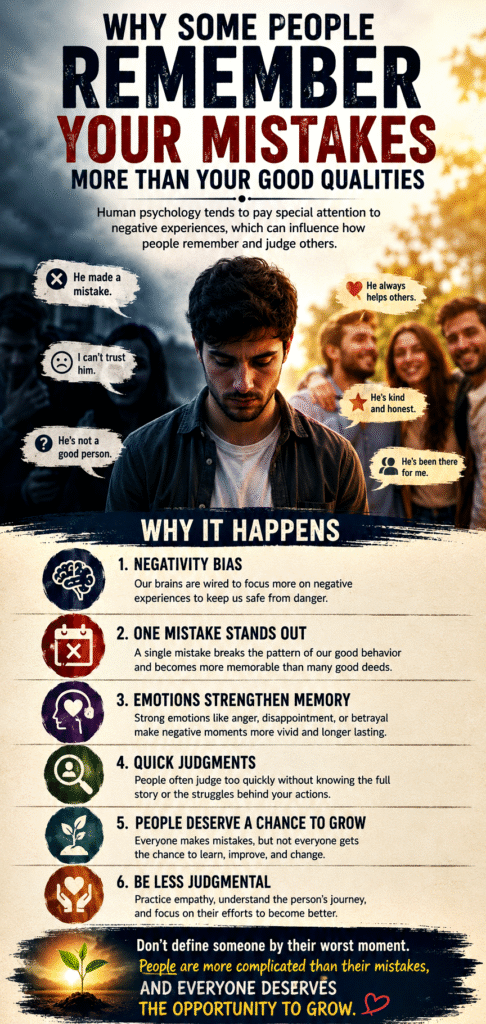
Why We Remember People’s Mistakes More Than Their Good Deeds
Human relationships are rarely judged with perfect fairness. Many people can remember a single mistake you made years ago while forgetting dozens of acts of kindness, honesty, and generosity. This may seem unfair, but psychology provides a clear explanation for why this happens.
The human brain naturally gives greater attention to negative experiences than positive ones. This tendency, known as the negativity bias, has helped humans survive for thousands of years by making them alert to danger and potential threats. Unfortunately, this same mental habit can also affect our relationships, causing people to judge others based on isolated mistakes rather than their overall character.
1. The Psychology of the Negativity Bias
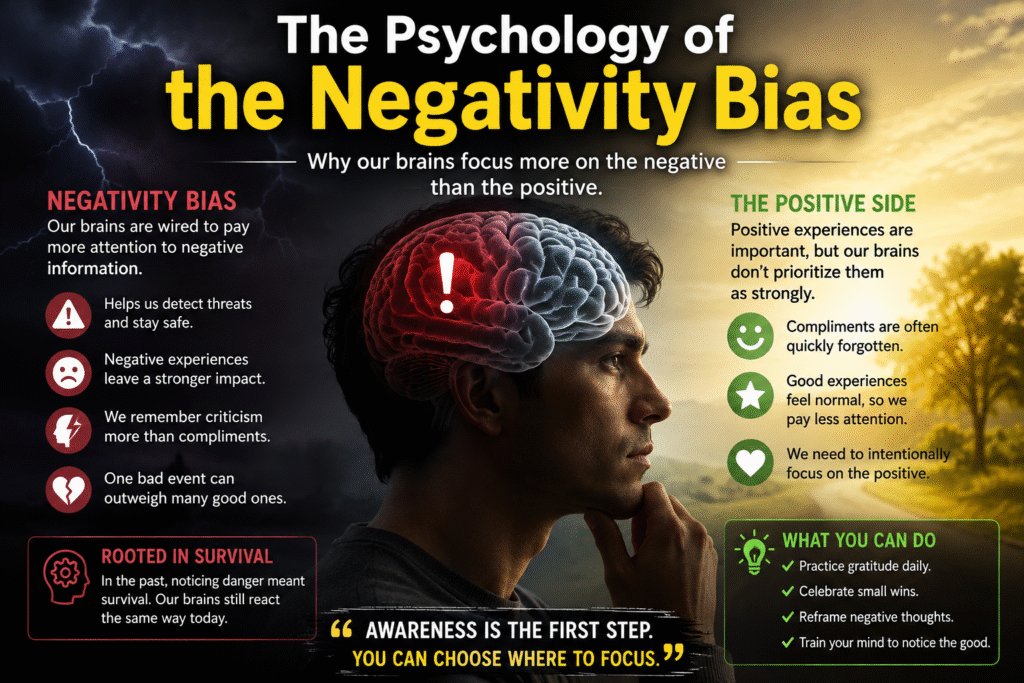
Key Point: The human brain naturally notices negative experiences more strongly than positive ones.
Psychologists have found that people tend to pay more attention to criticism than compliments, losses than gains, and failures than successes. This is known as the negativity bias.
Thousands of years ago, remembering dangerous situations increased the chances of survival. Forgetting a poisonous plant or a dangerous animal could have fatal consequences, while forgetting a pleasant experience carried little risk.
Although modern life has changed dramatically, our brains still process negative events with greater intensity.
For example:
- One rude comment can outweigh ten compliments.
- One disappointment can overshadow many enjoyable experiences.
- One mistake may become the defining memory someone has about you.
This doesn’t necessarily mean people are intentionally unfair. Often, their brains are simply giving greater importance to negative information.
Understanding this bias reminds us not to take every judgment personally.
2. Why One Mistake Can Overshadow Years of Good Behaviour
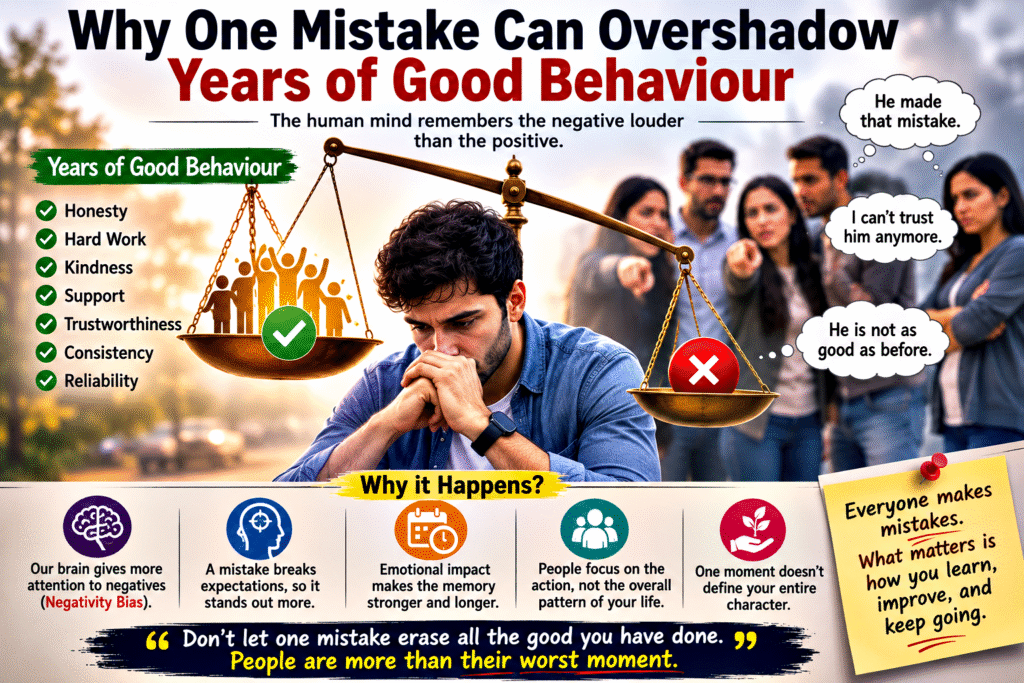
Key Point: Negative actions often appear more memorable because they violate people’s expectations.
Imagine someone who has always been kind and dependable. If they lose their temper once, people may remember that incident for years.
Why?
Because unexpected negative behaviour creates surprise.
When someone consistently behaves well, people begin expecting that behaviour. Positive actions become “normal” and therefore receive less attention. However, one mistake stands out because it breaks that pattern.
This explains why:
- A trusted friend who lies once may lose credibility quickly.
- A hardworking employee’s single major error may receive more attention than years of excellent work.
- A respected leader’s one poor decision may dominate public discussion.
While accountability is important, reducing an entire person’s character to one mistake is rarely fair.
People are much more than a single moment.
3. Emotional Experiences Strengthen Memory
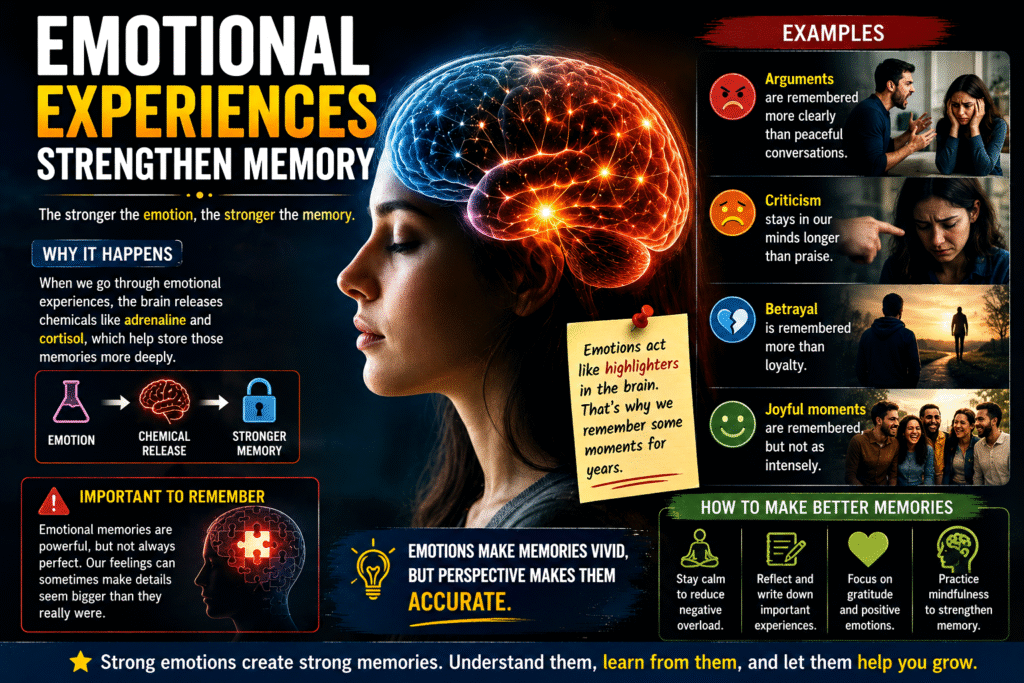
Key Point: Strong emotions make memories more vivid and longer lasting.
The brain remembers emotional experiences more easily than ordinary ones.
If someone’s mistake caused embarrassment, disappointment, anger, or betrayal, those emotions strengthen the memory.
Even years later, the emotional reaction can return almost instantly.
This is why people often remember:
- Arguments more clearly than peaceful conversations.
- Criticism more than praise.
- Betrayal more than loyalty.
Emotions act like highlighters in the brain.
However, it’s important to recognize that emotional memories are not always perfectly accurate. Our feelings can exaggerate certain details while causing us to forget the broader picture.
A single emotional incident should never erase years of positive experiences.
4. Why People Sometimes Judge Others Too Quickly
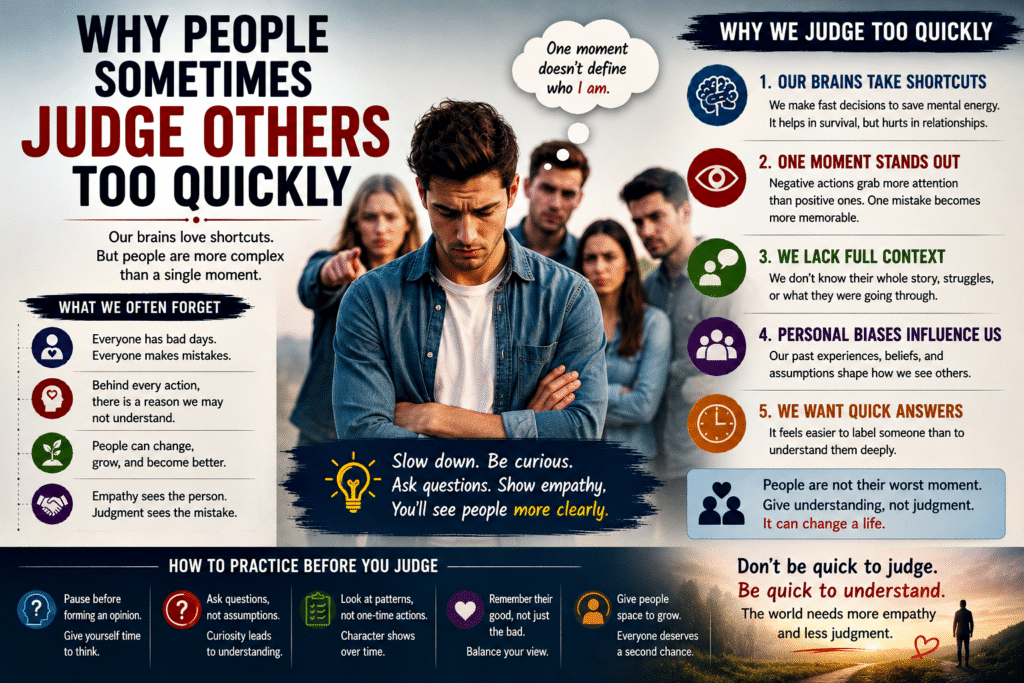
Key Point: The brain prefers quick conclusions instead of carefully examining every situation.
Human beings constantly make rapid judgments.
Instead of collecting every piece of information, the brain often relies on shortcuts.
If someone witnesses one negative action, they may immediately assume it reflects the person’s true personality.
Examples include:
- “He made one mistake, so he must be irresponsible.”
- “She was rude today, so she must be unfriendly.”
- “They disappointed me once, so they can’t be trusted.”
This thinking ignores important factors such as:
- Stress
- Fatigue
- Personal struggles
- Misunderstandings
- Temporary emotional reactions
Everyone has bad days.
Quick judgments prevent us from seeing the complete human being behind a single action.
5. Labels Can Prevent Personal Growth
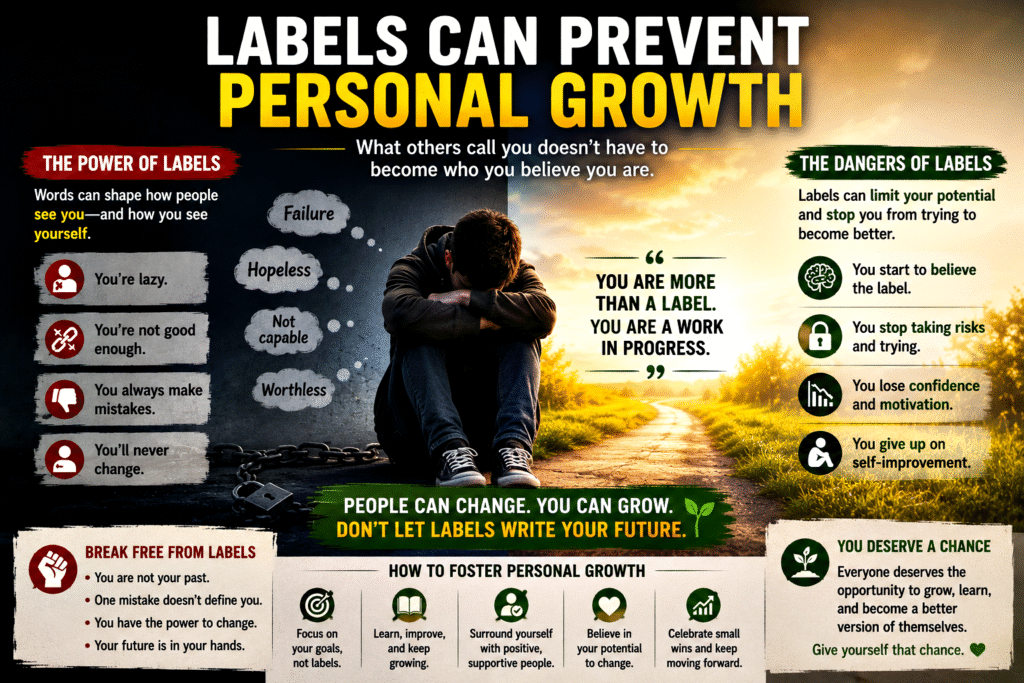
Key Point: Constantly reminding people of their mistakes may discourage positive change.
When people are repeatedly labeled as:
- Lazy
- Selfish
- Irresponsible
- Careless
- Untrustworthy
they may begin believing those labels themselves.
Psychologists call this the self-fulfilling prophecy.
If someone feels that others will never forgive them, they may stop trying to improve.
On the other hand, when people are given opportunities to grow, they often rise to those expectations.
Encouragement motivates change far more effectively than permanent judgment.
6. Everyone Has a Story You Cannot See
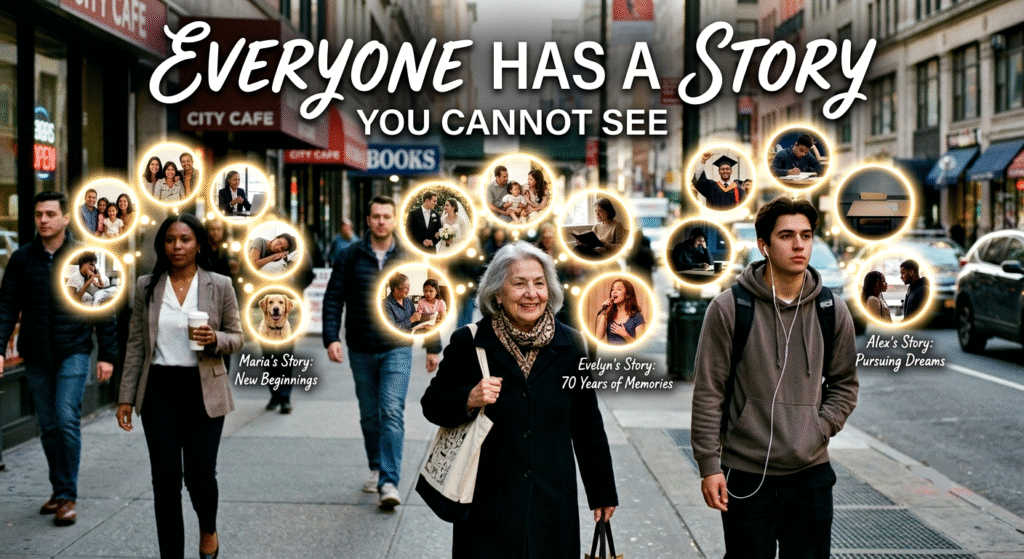
Key Point: Hidden struggles often explain behavior that appears negative on the surface.
Many actions that seem rude or careless may have invisible causes.
Someone may be dealing with:
- Anxiety
- Financial stress
- Family problems
- Grief
- Health issues
- Emotional exhaustion
None of these excuses harmful behavior, but they provide valuable context.
Instead of asking,
“What’s wrong with this person?”
consider asking,
“What might this person be going through?”
This small shift creates empathy instead of immediate criticism.
7. Good Relationships Focus on Patterns, Not Isolated Moments

Key Point: Character is revealed through consistent behavior, not one isolated incident.
Healthy relationships recognize the difference between:
- A repeated harmful pattern
- A genuine one-time mistake
Everyone occasionally says something they regret.
Everyone loses patience.
Everyone makes poor decisions.
The real question is:
- Does the person take responsibility?
- Do they apologize sincerely?
- Are they making an effort to improve?
- Is the mistake becoming a habit?
Looking at long-term patterns leads to much fairer judgments than focusing on isolated moments.
8. How to Become Less Judgmental in Relationships
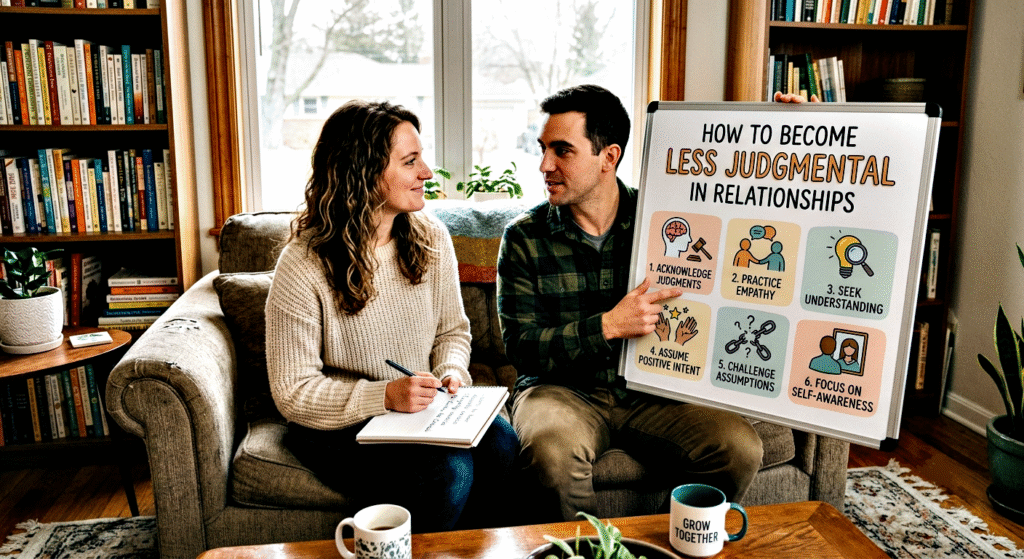
Key Point: Practicing empathy helps us see people more fairly.
We all benefit from becoming slower to judge.
Some practical habits include:
- Pause before reaching conclusions.
- Ask questions before making assumptions.
- Remember the person’s history, not just their latest mistake.
- Separate the action from the individual’s identity.
- Give people opportunities to rebuild trust through consistent actions.
Instead of saying,
“You are a failure,”
think,
“You made a mistake.”
That simple difference leaves room for growth.
Compassion does not eliminate accountability—it balances accountability with understanding.
9. Don’t Let One Mistake Define Your Own Identity
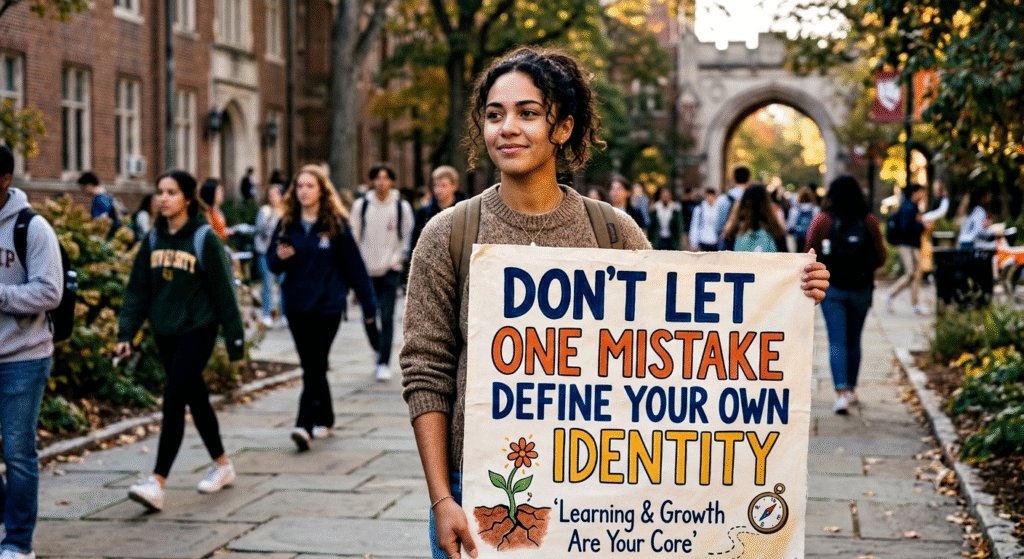
Key Point: Your worst decision does not determine your future.
Many people carry guilt for years because they believe one mistake defines who they are.
But every successful person has failed.
Every respected leader has made poor decisions.
Every strong relationship has faced misunderstandings.
Growth happens when people learn from mistakes instead of becoming trapped by them.
Your value is determined by the person you continue becoming—not by a single chapter of your life.
Choose progress over perfection.
Conclusion
Human psychology naturally remembers negative experiences more vividly than positive ones. This explains why a single mistake can sometimes overshadow years of kindness, honesty, and dedication. Yet lasting character is never measured by one isolated event.
Before judging others, remember that every individual is fighting battles you may never see. Before judging yourself, remember that mistakes are lessons, not life sentences.
The strongest relationships are built on empathy, forgiveness, accountability, and the belief that people can change.
Final Lesson: Don’t define someone by their worst moment. People are far more complex than their mistakes, and everyone deserves the opportunity to learn, grow, and become a better version of themselves.