Emotional Strength Explained: How Resilient People Handle Tough Days
Resilience is often misunderstood. People think it means bouncing back quickly, staying positive no matter what, or never breaking down. But psychology suggests something far more real and human:
True resilience is not about how fast you recover—it’s about whether you keep showing up, even after you’ve quietly fallen apart.
Let’s break this idea down into five deeper insights.
1. Resilience Is Not About Speed, It’s About Continuity
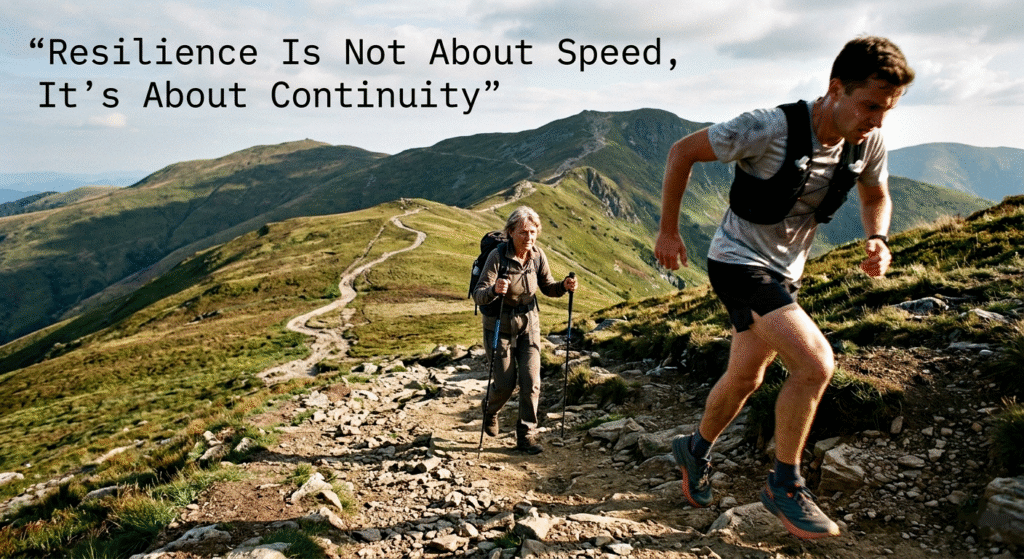
In today’s fast-paced world, quick recovery is often glorified. If someone goes through a difficult phase and seems “fine” the next day, we label them strong. But what we don’t see is that fast recovery can sometimes be emotional avoidance rather than genuine healing.
Real resilience doesn’t rush the process. It allows space for pain, confusion, and emotional exhaustion. When someone breaks down on a random evening, it doesn’t mean they are weak—it means they are human. What matters is what comes next.
Showing up the next day, even when nothing feels fully resolved, is the real measure of strength. It’s about continuity—taking small steps forward despite emotional setbacks.
This kind of resilience is sustainable. It doesn’t depend on pretending or forcing yourself to feel better instantly. Instead, it builds gradually, rooted in honesty and patience.
Key Points:
- Resilience is about keeping going, not recovering quickly
- Slow healing is real and healthy progress
- Emotional breakdowns don’t cancel your strength
- Consistency matters more than speed
- Small steps forward are still progress
2. Emotional Honesty Is Stronger Than Forced Positivity
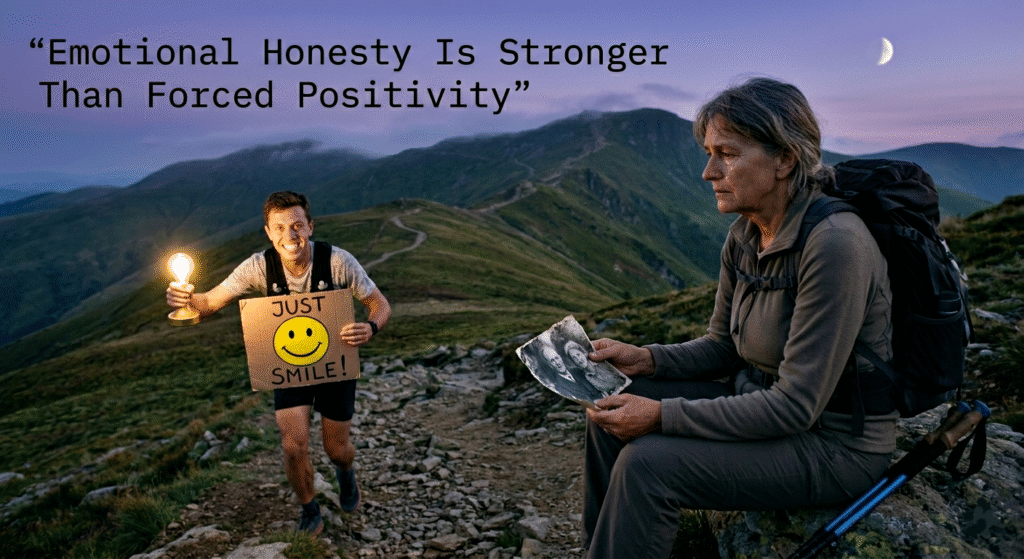
We often hear phrases like “stay positive” or “look on the bright side,” but constant positivity can become toxic when it ignores real emotions.
True resilience involves emotional honesty—the ability to admit when things are not okay. Letting yourself feel sadness, frustration, or disappointment is not weakness; it is emotional intelligence.
When you suppress emotions, they don’t disappear—they accumulate. Over time, this can lead to burnout or emotional fatigue. On the other hand, when you allow yourself to feel, you give your mind a chance to process and release those emotions.
The strongest people are not the ones who avoid pain, but the ones who face it without pretending.
Key Points:
- Forced positivity can be emotionally harmful
- Feeling your emotions is a sign of strength
- Suppressed feelings often build up over time
- Emotional honesty leads to better mental health
- You don’t need to be okay all the time
3. Strength Can Be Silent and Invisible

Not all strength is loud or visible. In fact, some of the most powerful forms of resilience are completely unnoticed by others.
A person who struggles internally but still carries on with their responsibilities demonstrates a quiet kind of strength. They don’t seek attention or sympathy—they simply keep going.
This doesn’t mean they never need support. It means they have developed an inner stability that allows them to function even during difficult times.
Silent resilience is often misunderstood because it doesn’t look dramatic. But holding yourself together, managing emotions privately, and continuing your life takes immense discipline and courage.
Key Points:
- Strength doesn’t always need to be visible or loud
- Silent struggles require deep inner strength
- Not all resilience seeks validation
- Emotional control is a form of power
- Quiet endurance is often overlooked but powerful
4. Responsibility Despite Pain Builds Inner Power

Life doesn’t stop when you’re struggling. Responsibilities remain—work, relationships, commitments—and resilient people learn to navigate these even when they feel emotionally drained.
Showing up despite pain builds self-trust. Each time you do what needs to be done, even when you don’t feel like it, you reinforce your ability to handle life.
This doesn’t mean ignoring your emotions or refusing help. It means balancing your internal struggles with your external responsibilities.
Over time, this creates a powerful mindset:
“Even when things are hard, I can still move forward.”
That belief becomes the foundation of resilience.
Key Points:
- Responsibility builds self-discipline and strength
- Showing up creates self-trust
- You can struggle and still function
- Balance is key—don’t ignore emotions completely
- Consistent action builds inner confidence
5. Resilience Is a Practice, Not a Personality Trait

Many people think resilience is something you’re born with, but in reality, it’s developed through experience.
Every time you go through a difficult moment and still choose to move forward, you strengthen your resilience. It becomes a learned behaviour—a habit of responding to challenges with persistence rather than avoidance.
Over time, this creates emotional stability. You stop fearing breakdowns because you know you can handle them.
Resilience becomes less about reacting and more about trusting yourself through the process.
Key Points:
- Resilience is learned, not inherited
- It develops through repeated experiences
- Every challenge strengthens your mindset
- Consistency turns resilience into a habit
- Self-trust is the core of long-term strength
Final Thought
True resilience is not dramatic. It doesn’t always look inspiring or strong from the outside.
Sometimes, it looks like:
- Breaking down in private
- Sitting with your emotions
- And still choosing to show up the next day
It’s not about avoiding difficult moments—it’s about not letting those moments stop you completely.
Resilience is quiet.
Resilience is consistent.
Resilience is showing up—again and again—no matter how heavy life feels.