
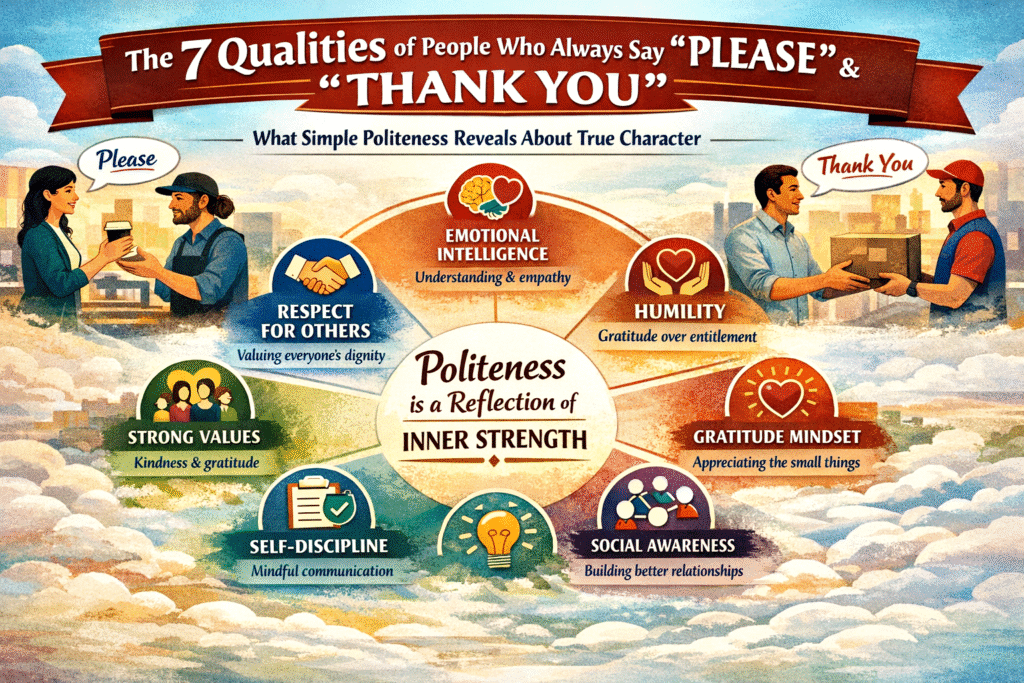
Seven Powerful Traits of People Who Always Say “Please” and “Thank You”
People who naturally say “please” and “thank you”—without hesitation, calculation, or social pressure—reveal much more than good manners. These simple words reflect deep psychological traits, emotional maturity, and inner character. When politeness flows automatically, it is not performance—it is personality.
Here are 7 meaningful qualities usually displayed by people who say “please” and “thank you” without thinking twice:
1. Genuine Respect for Others
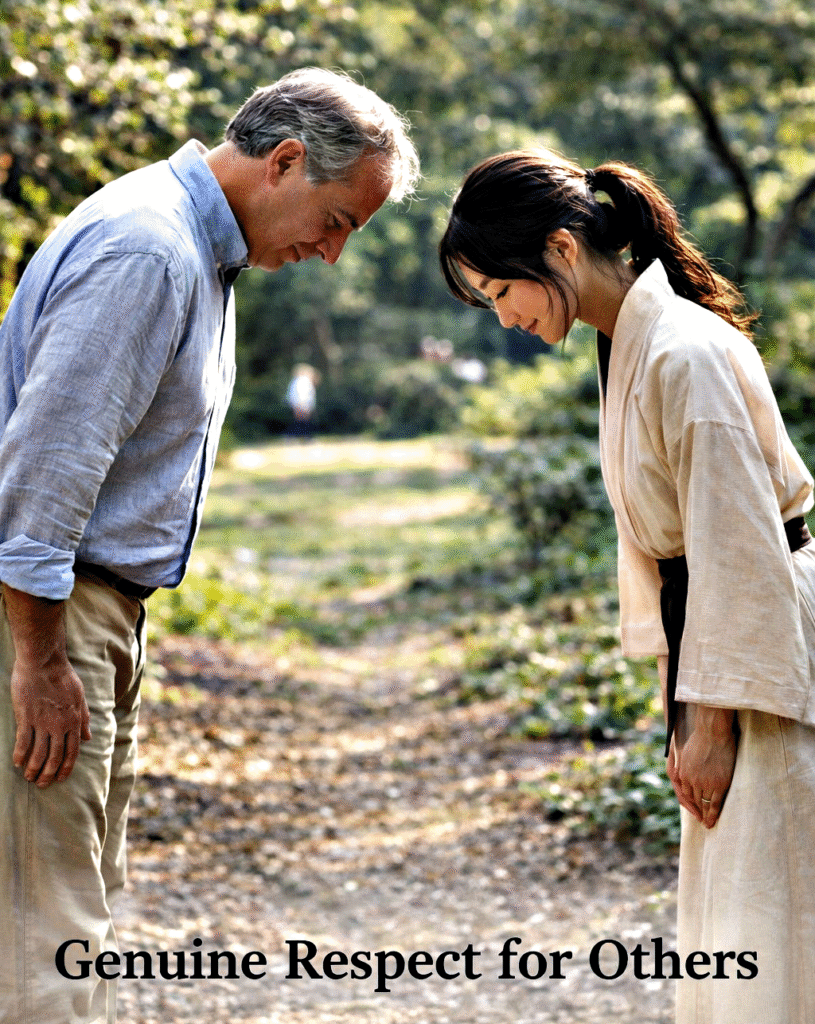
People who consistently use “please” and “thank you” show that they view others as equals—not as tools, subordinates, or background characters in their own story. They understand that every interaction involves another human being with feelings, time, and dignity.
Saying “please” signals that they are making a request, not issuing a command. It acknowledges the other person’s autonomy and choice. Saying “thank you” communicates recognition—it says, “I see your effort.”
This quality reflects:
- Awareness that no one is obligated to serve them
- Appreciation for even small contributions
- Recognition of shared humanity
Such individuals don’t reserve respect only for authority figures. They extend it to waiters, drivers, security guards, assistants, and strangers. Their politeness is consistent across social hierarchies, which reveals authenticity rather than social strategy.
2. Emotional Intelligence

Automatically using polite expressions reflects high emotional intelligence. These individuals are aware—consciously or subconsciously—of how words affect others.
They understand that:
- Tone shapes relationships
- Small gestures build emotional safety
- Courtesy reduces friction in communication
When someone says “please,” it softens requests. When someone says “thank you,” it closes interactions with warmth. These people instinctively create positive emotional environments around them.
Emotional intelligence involves empathy—the ability to sense how others feel. People who say “thank you” regularly acknowledge that effort, time, and kindness deserve recognition. They understand that appreciation strengthens bonds.
3. Humility and Lack of Entitlement

A person who frequently expresses gratitude is rarely entitled. Entitlement says, “You owe me.” Gratitude says, “I appreciate you.”
Those who automatically say “thank you” recognise that:
- No one is required to go out of their way for them
- Service is not servitude
- Help is a privilege, not a right
Humility allows someone to ask politely instead of demanding. Saying “please” signals that they do not assume superiority. It reflects inner confidence—because truly confident people do not need to dominate others.
Ironically, the strongest personalities are often the most polite. They don’t use aggression to assert themselves. They use grace.
4. Strong Upbringing and Value System
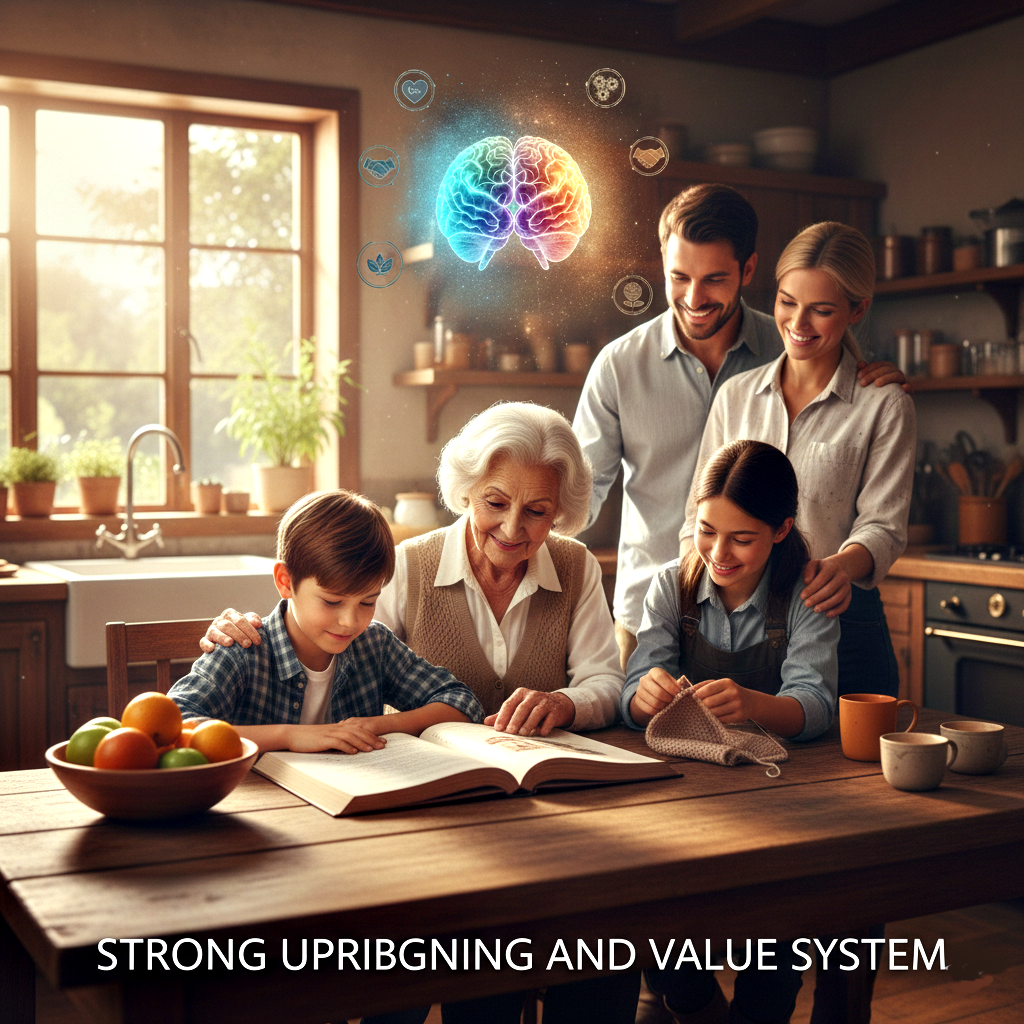
While politeness can be taught, consistent and effortless politeness reflects internalized values. It suggests that respect and gratitude are not forced behaviors—they are part of the person’s identity.
Individuals who naturally use polite language often grew up in environments where:
- Kindness was modeled
- Respect was emphasized
- Gratitude was encouraged
Over time, these behaviors became automatic. They no longer say “thank you” because they are told to—they say it because not saying it would feel wrong.
This shows alignment between belief and behavior. Their manners are not situational; they are foundational.
5. Self-Discipline and Mindful Communication

Speaking kindly requires awareness. It is easier to be abrupt, impatient, or dismissive—especially during stress. People who maintain politeness under pressure display emotional regulation.
When someone says “please” even when busy or frustrated, it shows:
- Control over impulses
- Thoughtfulness before speaking
- Consistency in character
Self-discipline appears in small habits. Politeness is one of them. These individuals do not allow mood swings to dictate their respect for others.
This trait is especially powerful in leadership roles. A leader who says “please” earns cooperation rather than compliance. A leader who says “thank you” builds loyalty.
6. Gratitude-Oriented Mindset

Gratitude is not just an expression—it is a mindset. People who frequently say “thank you” tend to focus on what they receive rather than what they lack.
This mindset creates:
- Greater life satisfaction
- Stronger relationships
- Reduced bitterness
By regularly acknowledging help, support, and effort, they train their minds to notice positives. Over time, this builds emotional resilience.
Gratitude also strengthens social bonds. When people feel appreciated, they are more likely to continue helping. Thus, saying “thank you” creates a cycle of goodwill.
These individuals understand that appreciation is fuel for human connection.
7. Social Awareness and Relationship Intelligence
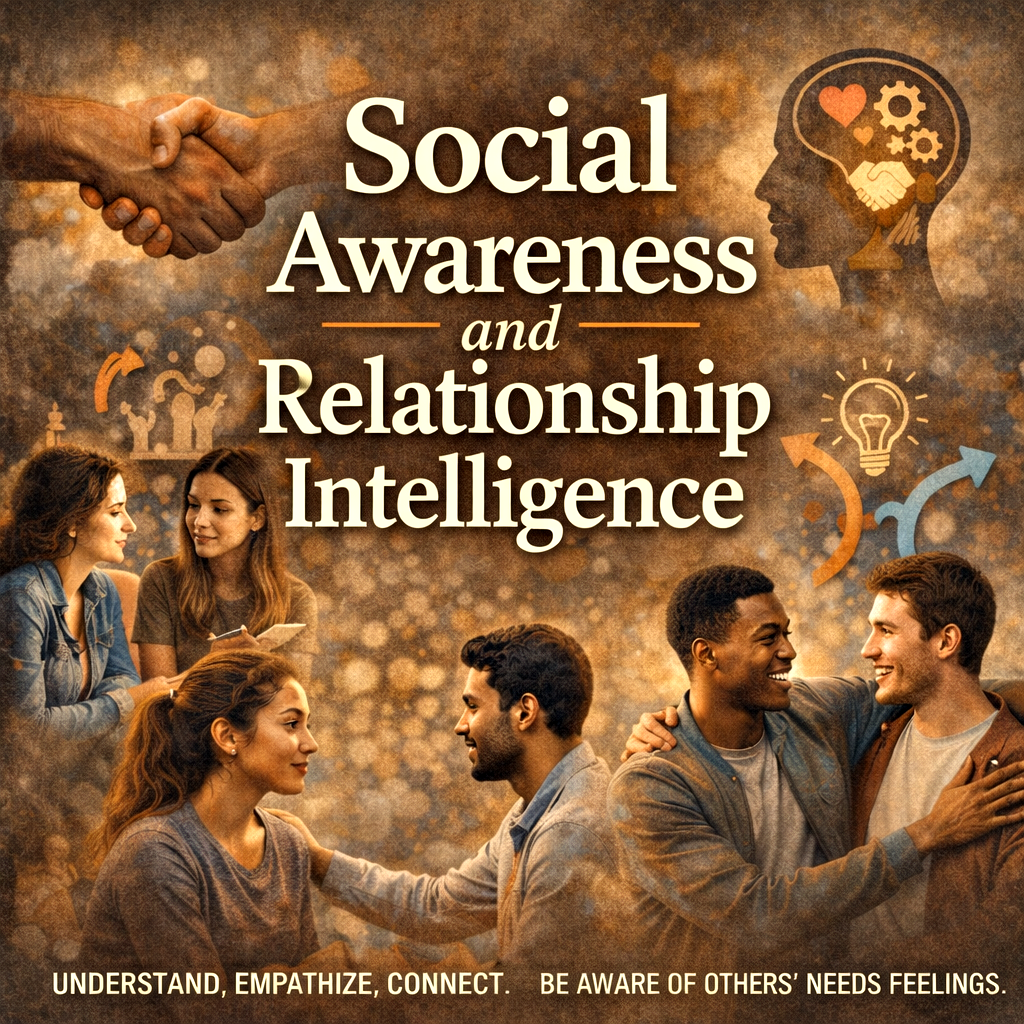
People who naturally use polite language understand that relationships are built on small daily interactions—not grand gestures.
They recognize that:
- Words shape reputations
- Consistency builds trust
- Courtesy prevents unnecessary conflict
Saying “please” reduces defensiveness. Saying “thank you” prevents resentment. These simple phrases act as social lubricants, making communication smoother.
Such individuals often have:
- Better professional networks
- Stronger friendships
- Healthier romantic relationships
Why? Because people feel valued around them.
They are not necessarily extroverts. Many quiet or introverted individuals are deeply polite. Politeness is not about being talkative—it is about being considerate.
The Deeper Meaning Behind Simple Words
On the surface, “please” and “thank you” seem small. But psychologically, they communicate powerful messages:
- “I respect your choice.”
- “I acknowledge your effort.”
- “I value this interaction.”
- “I do not take you for granted.”
In a world where impatience and entitlement are increasingly common, consistent politeness stands out.
It signals emotional maturity.
Why This Matters More Than Ever
Modern communication—especially digital communication—often removes courtesy. Quick texts, short commands, and rushed interactions can make conversations feel transactional.
But people who still use polite language consistently:
- Slow down interactions
- Humanize conversations
- Bring warmth into efficiency
In workplaces, this can mean better teamwork. In families, it fosters mutual respect. In society, it cultivates civility.
A Hidden Strength: Politeness Is Power
Some people mistake politeness for weakness. In reality, it reflects strength.
It takes strength to:
- Stay courteous when stressed
- Show gratitude when busy
- Remain respectful when you have authority
Politeness is controlled power. It is strength wrapped in grace.
Individuals who use “please” and “thank you” automatically are often secure. They do not fear losing control by being kind. They understand that kindness enhances authority rather than diminishes it.
The Psychological Ripple Effect
Research in positive psychology shows that gratitude increases well-being for both the giver and receiver. When someone says “thank you,” it boosts the recipient’s mood—and reinforces positive behaviour.
Over time, this creates:
- Cooperative environments
- Trust-based relationships
- Emotional safety
Simple courtesy can transform group dynamics. A polite workplace is often a productive one.
Conclusion
People who say “please” and “thank you” without thinking twice are not merely well-mannered—they are emotionally intelligent, humble, respectful, disciplined, and socially aware individuals.
Their words reveal:
- Genuine respect
- Emotional intelligence
- Humility
- Strong internal values
- Self-discipline
- A gratitude mindset
- Relationship intelligence
In the end, character is revealed in small habits. Anyone can perform grand gestures occasionally. But the person who consistently says “please” and “thank you”—even in ordinary moments—demonstrates quiet strength and deep character.
Sometimes, the smallest words carry the greatest meaning.