
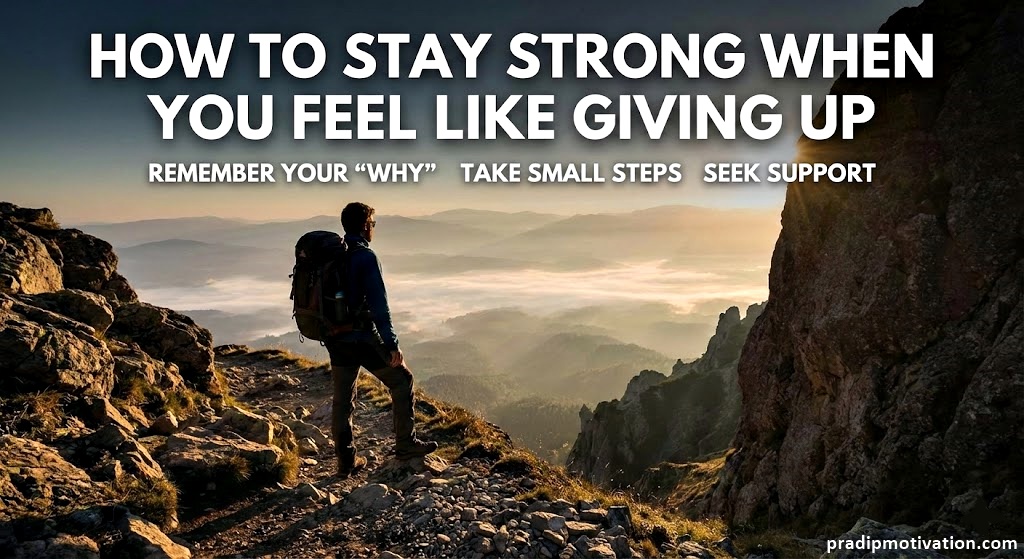
Feeling like giving up
Feeling like giving up is a deeply human experience. Almost everyone, at some point in life, reaches a moment where the weight of challenges feels too heavy, progress seems impossible, and quitting appears to be the only way to escape the pain or exhaustion. These moments can arise from many situations—academic pressure, career setbacks, relationship struggles, financial stress, health issues, or even an ongoing sense of emotional burnout. While the feeling itself is normal, what truly matters is how we respond to it. Understanding what to do when you feel like giving up can make the difference between long-term regret and personal growth.
Below is an extensive exploration of the five ideas mentioned earlier, explaining why they matter and how they can be applied in real life.
1. Pause and Breathe on Purpose
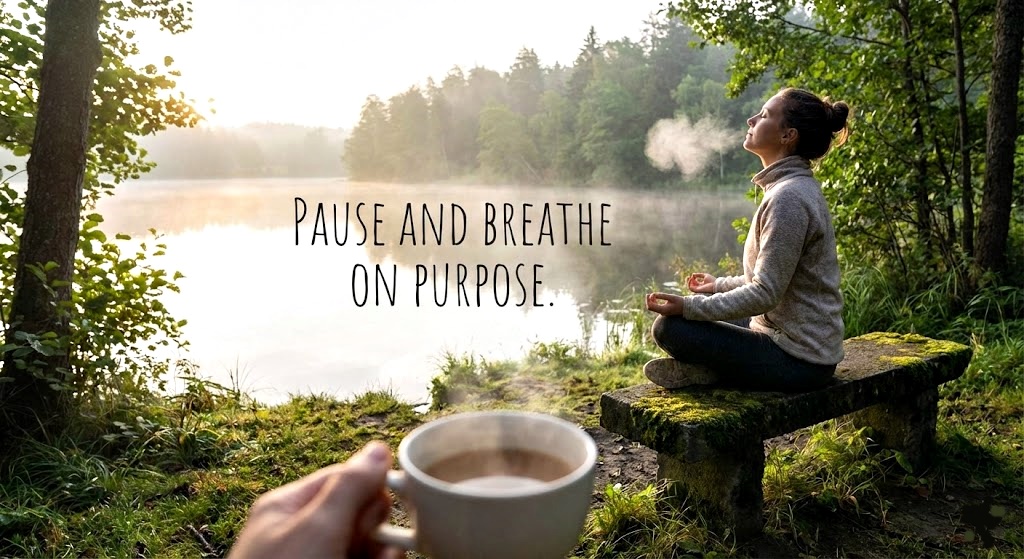
When you feel like giving up, your body is often in a state of stress. Your heart rate increases, your breathing becomes shallow, and your mind races with worst-case scenarios. In this state, logical thinking is impaired. You may feel trapped, hopeless, or overwhelmed, not because the situation is truly unsolvable, but because your nervous system is overloaded.
Pausing and breathing on purpose is not about avoidance—it is about regaining control. A deliberate pause interrupts the cycle of panic and negative thinking. Slow, deep breathing sends a signal to your brain that you are safe, reducing stress hormones like cortisol and allowing your body to relax.
Importantly, pausing gives you space. Space to think clearly, space to feel your emotions without being consumed by them, and space to respond rather than react. Giving up often happens when decisions are made in moments of emotional overload. By slowing down, you give yourself the chance to choose a wiser, more compassionate response.
2. Break It Down to the Smallest Step

One of the main reasons people feel like giving up is because they are looking at the entire mountain instead of the next step. When a goal feels too large, too distant, or too complex, it can paralyse you. Your mind may tell you, “This is too much,” or “I’ll never finish,” which drains motivation and energy.
Breaking things down into the smallest possible step makes progress feel achievable again. Instead of focusing on finishing a project, focus on opening the document. Instead of thinking about fixing your entire life, focus on one small action you can take today—sending an email, making a phone call, or organising one small area.
Small steps matter more than we often realise. They reduce resistance, build confidence, and create momentum. Each small success sends a message to your brain that progress is possible. Over time, these steps add up to meaningful change.
3. Talk to Someone You Trust

Isolation can intensify feelings of hopelessness. When you keep your struggles to yourself, your thoughts can become distorted, making problems seem bigger and more permanent than they truly are. Talking to someone you trust helps break this cycle.
Sharing your feelings doesn’t mean you have to have all the answers or even explain everything perfectly. Simply saying, “I’m not okay” or “I feel like giving up” can be incredibly relieving. A trusted friend, family member, mentor, or counsellor can offer emotional support, perspective, or even practical advice.
Often, the greatest benefit of talking is not receiving solutions, but feeling understood. Being heard validates your experience and reminds you that you are not alone. It can also help you see your situation from a different angle. Someone else may notice strengths or options that you’ve overlooked.
4. Remind Yourself Why You Started

When motivation fades, reconnecting with your “why” can be powerful. Your “why” is the deeper reason behind your efforts—your values, dreams, hopes, or sense of purpose. Over time, stress and setbacks can make you forget why you began, leaving you focused only on the pain of the present moment.
Take time to reflect on what initially inspired you. Ask yourself questions such as:
- What did I hope to achieve?
- Who would benefit if I keep going?
- What kind of person do I want to become through this process?
Writing these answers down can make them feel more real and tangible. You might also visualise the future you are working toward or recall moments when you felt proud of yourself for not giving up before.
It’s equally important to acknowledge that sometimes goals evolve. If your original reason no longer resonates, that doesn’t mean you’ve failed—it may mean you need to adjust your path. Reconnecting with your values helps you decide whether to continue as planned, change direction, or redefine success in a way that aligns better with who you are now.
5. Be Kind to Yourself, Not Critical

One of the most damaging responses to feeling like giving up is self-criticism. Thoughts like “I’m weak,” “I always fail,” or “What’s wrong with me?” only deepen feelings of shame and exhaustion. Harsh self-judgment drains the emotional energy you need to move forward.
Self-compassion is not about making excuses or avoiding responsibility. It is about recognising your humanity. You are allowed to struggle. You are allowed to feel tired. You are allowed to need rest.
Treat yourself as you would treat a close friend in the same situation. You wouldn’t insult them for feeling overwhelmed—you would encourage them, reassure them, and remind them of their strengths. Offer yourself the same kindness.
This may involve practical acts of care, such as getting enough sleep, eating nourishing food, or taking breaks when needed. It may also involve changing the way you talk to yourself.
Final Thoughts
Feeling like giving up does not mean you are failing; it means you are facing something difficult. These moments, while painful, often signal that something needs attention—rest, support, clarity, or a change in approach. By pausing to breathe, breaking challenges into smaller steps, reaching out for connection, reconnecting with your purpose, and treating yourself with compassion, you create space for resilience to grow.