
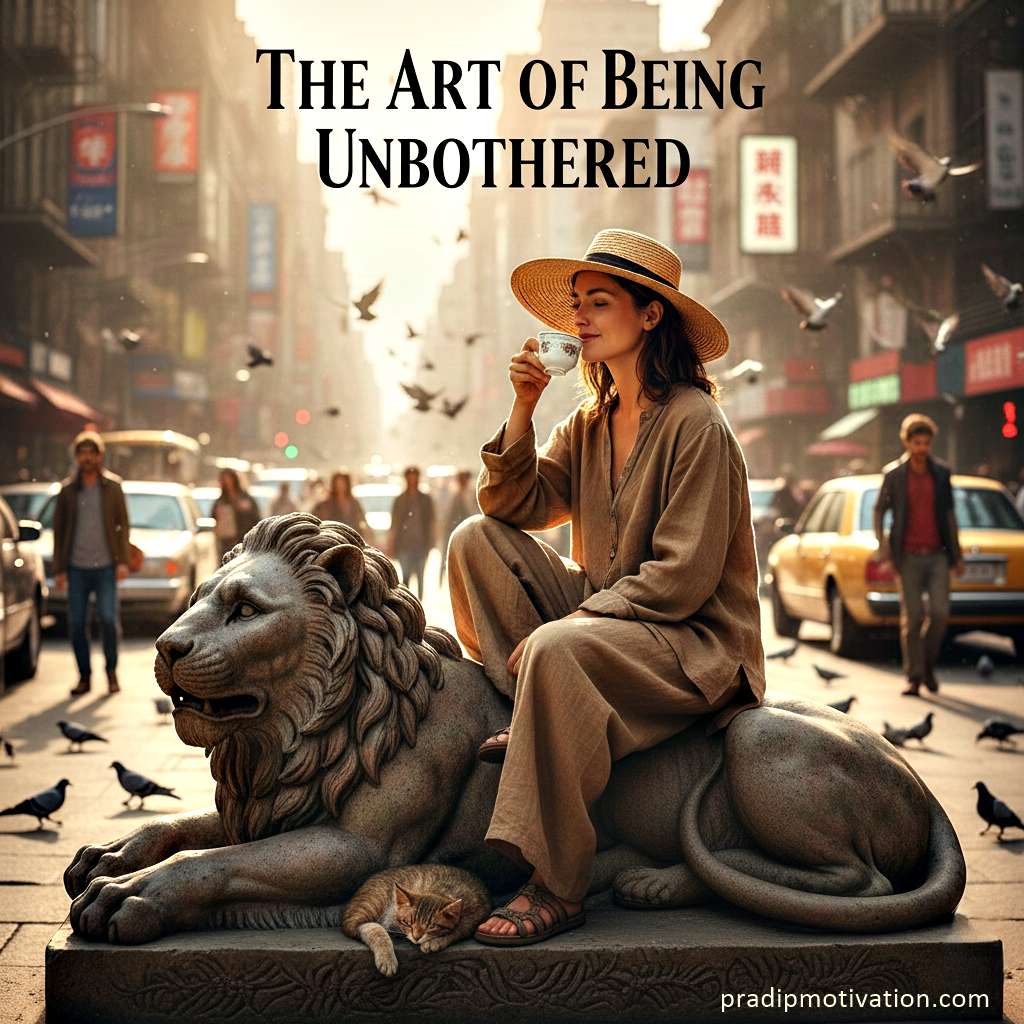
The Art of Being Unbothered: 7 Simple Ways to Live a Happy Life
In a world overflowing with noise, expectations, comparison, and pressure, the real superpower is the ability to remain calm and unbothered. Being unbothered does not mean being emotionless or careless. It means protecting your peace, choosing where to invest your energy, and refusing to allow insignificant things to disturb your inner balance. Happiness begins the moment you stop handing control of your emotions to external forces.
Below are seven simple yet powerful ways to live a happy, unbothered life—explained in depth.
1. Stop Overthinking—Control the Stories in Your Head
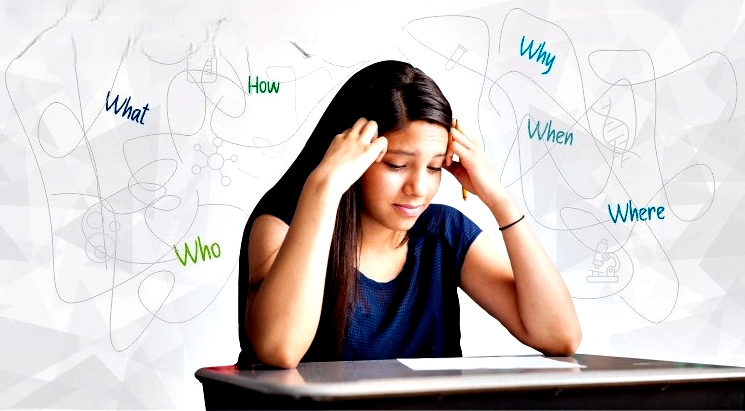
Overthinking is one of the biggest thieves of happiness. Most stress comes not from real problems, but from the negative stories we create in our minds. We replay past mistakes and worry about the future. We imagine problems that do not even exist.
How to practice being unbothered through less overthinking:
- Identify what you can control and what you cannot. If you cannot control it, do not waste energy trying to control it.
- Give situations a time limit. Consider it, make a decision, and move forward.
- Replace assumptions with facts. Most misunderstandings come from assuming instead of communicating.
- Ask yourself: Will this matter a year from now? If the answer is no, let it go.
When you stop overthinking, small problems stop feeling huge. Your mind becomes lighter, and happiness becomes natural. A peaceful mind is more powerful than any storm.
2. Set Boundaries Without Feeling Guilty
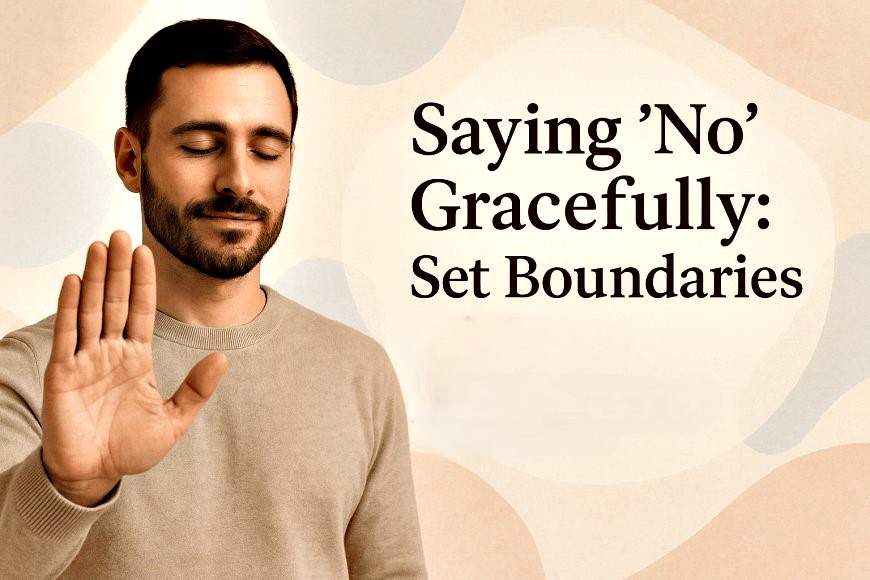
One of the greatest life skills is the ability to say No—without anxiety or explanation. People who struggle with boundaries often feel overwhelmed, drained, and taken advantage of. The art of being unbothered means choosing yourself before trying to please everyone else.
How to create healthy boundaries:
- Say no respectfully but firmly. You do not have to explain or justify your choice.
- Distance yourself from negative and draining people.
- Respect your own time, energy, and priorities first.
- Stop apologizing for protecting your peace.
Not everyone will like your boundaries, but the right people will respect them. Happiness grows when you stop giving everyone access to your emotional space.
3. Choose Your Battles—Not Everything Deserves a Reaction

Most arguments are not worth your energy. Many problems disappear when you stop giving attention to them. People who are easily triggered are controlled by others. Silence, walking away, or ignoring drama is often more powerful than reacting.
Practice selective response:
- If something doesn’t affect your real life, let it go.
- Ignore petty comments, gossip, and jealousy.
- Do not respond emotionally to provocation or negativity.
- Don’t argue with someone committed to misunderstanding you.
When you stop reacting to every small thing, you become stronger, calmer, and wiser. Your peace becomes your priority.
4. Let Go of Expectations & Comparison

One of the fastest ways to become unhappy is to constantly compare your life to others. Social media has increased pressure to appear successful, perfect, and happy all the time. Comparison kills joy and makes you believe you are not enough.
How to stop comparison and expectations:
- Focus on your path, not someone else’s progress.
- Celebrate your small wins—growth is personal, not competitive.
- Detach from the need to impress others.
- Understand that everyone has struggles behind the scenes.
Happiness begins when you realize you do not have to compete with anyone. Your journey is unique. Once expectations fade, real peace enters.
5. Practice Emotional Detachment

Emotional detachment does not mean you stop caring—it means you stop allowing unnecessary things to control your emotions. When you detach from outcomes, judgments, and opinions, you gain unshakeable strength.
How to practice emotional detachment:
- Detach from people’s opinions—what others think is not your reality.
- Detach from outcomes—do your best but accept whatever happens.
- Detach from needing constant approval or validation.
- Detach from perfectionism and let life flow.
The more you detach, the freer you become. You learn to remain stable even when life becomes chaotic. This is the heart of being unbothered.
6. Focus on Personal Growth & Inner Happiness

The happiest people do not depend on others for joy—they build internal happiness through self-development. When you invest energy in becoming a better version of yourself, negativity loses power over you.
Ways to grow and strengthen yourself:
- Read books, learn new skills, and challenge yourself.
- Exercise and take care of your body—a strong body supports a strong mind.
- Develop hobbies that give you joy and peace.
- Spend more time alone to understand yourself.
Personal growth transforms your mindset from victimhood to empowerment. You stop chasing people and start chasing purpose. A purposeful life is naturally peaceful.
7. Surround Yourself with Peaceful Energy

The environment you choose shapes your emotional world. Being around negative, dramatic, or jealous people will constantly drain your happiness. Surrounding yourself with positive and calm people inspires growth and stability.
Build a supportive circle:
- Choose friends who celebrate your wins, not compete with them.
- Stay close to people who bring calmness, not chaos.
- Limit time with those who complain or criticise constantly.
- Protect your energy like a treasure.
Your peace is priceless. Never sacrifice it just to fit in or maintain relationships.
Final Thoughts
The art of being unbothered is not about escaping life, but it’s about mastering it. It is the courage to walk away from anything that threatens your inner peace. It is the strength not to react, the wisdom to choose what matters, and the maturity to stay calm even when others are loud.
Happiness is not found in a perfect life, but in a peaceful mindset.
Conclusion
- You don’t have to attend every argument you’re invited to.
- You don’t have to respond to everything that annoys you.
- You don’t have to explain why you protect your peace.
- You don’t owe anyone access to your energy.
When you choose peace over reaction, you choose happiness over chaos. That is true power.