What is Broken Windows Theory?
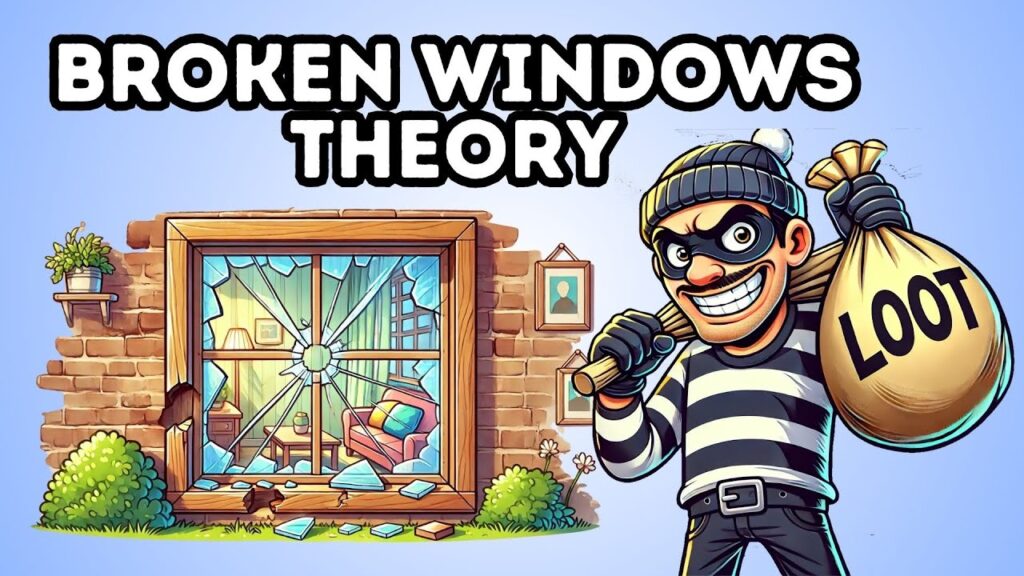
This is a simple idea in crime studies. It says: If small problems like a broken window are not fixed, they invite bigger crimes. People see the mess and think no one cares, so they do worse things. It focuses on keeping places clean and orderly to stop crime early.
Broken Windows Theory
Where It Came From
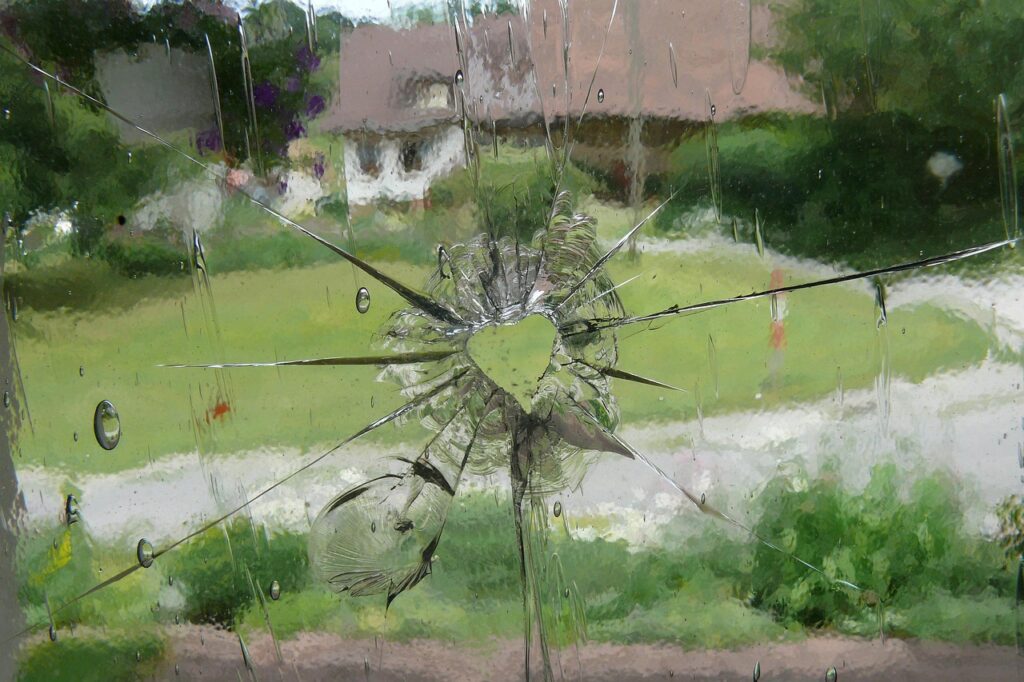
In 1982, James Q. Wilson and George L. Kelling wrote about it in a magazine. They got the idea from a test by Philip Zimbardo. He left cars in rich and poor areas. The poor-area car got damaged fast. When they broke a window in the rich area, it got wrecked too. This showed: One small sign of neglect starts more trouble.
Main Ideas
- Small mess (like trash or graffiti) tells bad people: “No one is watching.”
- Good people feel scared and stay inside, so no one stops small crimes.
- Police should fix tiny issues fast, not wait for big crimes.
- Clean areas make people respect rules more.
How It Leads to More Crime
Step 1: One broken window stays unfixed.
Step 2: More windows break, trash piles up.
Step 3: People avoid the area.
Step 4: Thieves and worse criminals move in, thinking it’s safe for them.
How It’s Used in Real Life

In the 1990s, New York police stopped small crimes like jumping subway gates or cleaning windshields without asking. Big crimes like murder dropped a lot. Many cities copied this. It also helps in schools (stopping small fights early) and city planning (quick graffiti removal).
Problems with the Theory
- Not proven 100%—maybe money or jobs help more than police.
- It can lead to too many police in poor or minority areas and unfair stops.
- Ignores real causes like poverty.
- Some studies show mixed results.
Proof That It Works Sometimes
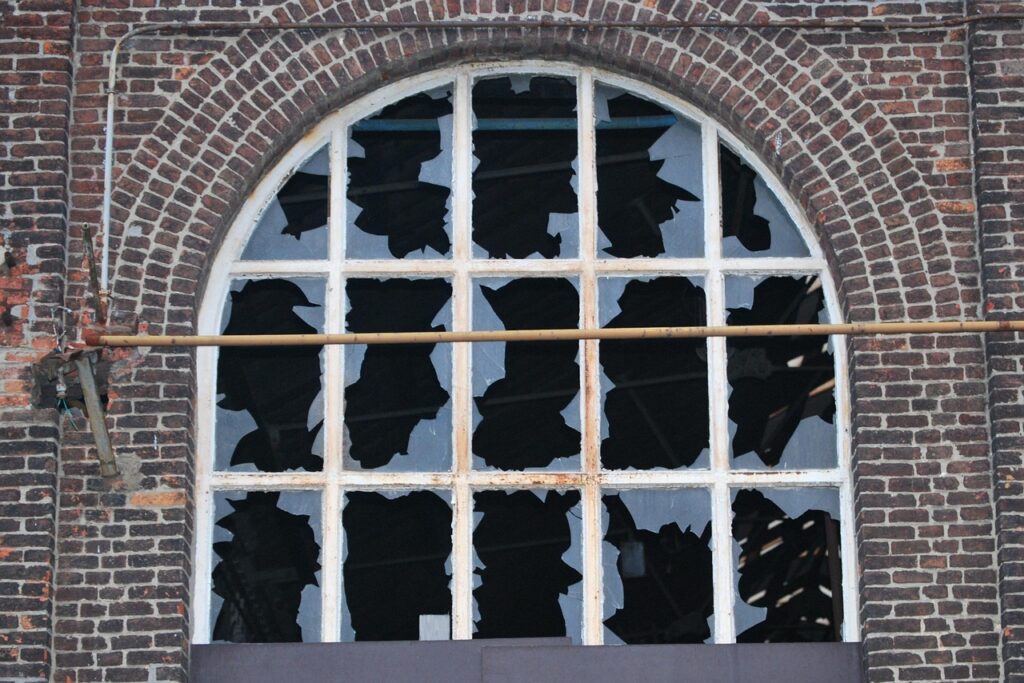
Tests in Holland: People littered more near graffiti. New York crime fell when small fixes started. Clean shops have less theft.
Other Uses
In offices: Fix small messes to avoid big chaos. In health: Clean parks stop bugs and stress.
How It Affects Your Daily Life
- In your area, Graffiti or trash makes you feel unsafe, so you stay home more. This breaks friend bonds.
- Personal: Fix small bad habits (like late bills) before they grow big.
- Kids: Correct small lies early to stop bigger trouble.
- Money: Messy streets lower home prices.
- Online: One rude comment ignored makes forums toxic.
- Good side: Join clean-ups or report issues—you make life safer and happier.
- Bad side: Too strict rules can hurt poor people more.
Today and Future
After the 2020 protests, some cities use less harsh police, more help, like jobs or mental care. Apps now let you report a mess fast. It teaches: Small fixes in life keep big problems away.
Examples
New York subways: Cleaned graffiti, less crime. Bogotá: Taught good manners, the city got safer.
Why It Matters
It shows that little things count. Keep your space, habits, and community tidy for a better, safer life.