
The Complicated Relationship Between Emotions and Physical Health : Exploring the Complex Land of Mental Medicine
The concept that emotions can exert a deep influence on physical health has been a topic of fascination and investigation for decades. The many-sided field of psychosomatic medicine probes into the difficult connections between emotional well-being and bodily health. While the understanding of these links has evolved, it’s essential to approach the topic with a slight different perspective, acknowledging both the difficulty of the human experience and the variety of individual responses.
Stress, the Culprit in Heart Complications

One of the most widely studied features of the emotional and physical health relationship is the connection between stress and heart diseases. Stress, the body’s response to suspected threats, activates a force of physical reactions, including the release of stress hormones such as cortisol and adrenaline. Lengthy exposure to these hormones has been linked with inflammation, high blood pressure, and an increased risk of heart disease and stroke.
Chronic stress, common in today’s fast-paced society, may act as a silent contributor to heart complications. The modern lifestyle’s unending demands and pressures create a continuous loop of stress, possibly laying the foundation for long-term heart issues.
Depression and the Immune System

Exploring into the area of mental health, depression emerges as a complicated emotional state with far-reaching consequences for the body’s immune function. Studies suggest that long-lasting depression may compromise the immune system, weakening its ability to protect from infections. This weakened immune response could obvious as increased vulnerability to illnesses, emphasizing the profound interconnectedness of mental and physical health.
Understanding the mechanisms by which emotions influence immune function opens roads for exploring centralizing approaches to healthcare. The mind-body connection becomes a focal point, urging healthcare providers to consider both emotional well-being and physical health in tandem.
Anxiety and the Gut-Brain Axis

The gut-brain axis, a two way communication network between the stomach tract and the central nervous system, throws light on the connection between emotions and digestive health. Anxiety, a prevalent emotional state, can influence the gut-brain axis, potentially contributing to conditions such as irritable bowel syndrome (IBS) and inflammatory bowel disease (IBD).
Individuals wrestling with chronic anxiety may experience worsened stomach symptoms, showing the dynamic interplay between mental states and physical responses. Managing emotional well-being becomes essential not only for mental health but also for maintaining a balanced and healthy gut.
Long-lasting Anger and Respiratory Quality

Exploring the less-explored corridors of emotion and health, long-lasting anger surfaces as a potential contributor to respiratory issues, including asthma. While the exact mechanisms linking anger to respiratory problems are not fully understood, it’s imagined that the anxiety connected with long-lasting anger might activate swelling in the airways, worsening respiratory symptoms.
This underlines the importance of considering emotional states in the complete valuation of individuals with respiratory conditions. A complete approach to healthcare would involve addressing both the physical symptoms and the emotional issues that may worsen them.
The Yin and Yang of Positive Emotions

It’s anything but an uneven story; positive feelings have their own effect on actual wellbeing. Happiness, joy, and hopefulness have been linked to improved heart health, a more healthy immune system, and overall well-being. Involving in activities that encourage positive emotions becomes not only a hunt for joy but also a means of promoting physical health.
Recognizing the double nature of emotional influences on health highlights the need for a balanced and complete approach to well-being. Health is an interdependent interaction between mental and physical states, urging individuals to cultivate positive emotional experiences alongside accepting healthy lifestyle practices.
Individual Variations: The Human Variety

In this complicated dance between emotions and health, it’s important to admit the big range of individual variations. People respond uniquely to stressors and emotional stimuli, influenced by genetics, environmental factors, and diverse life experiences. Understanding this human variety is paramount for modifying healthcare interventions that consider the individual’s emotional field and its implications for physical health.
Mind-Body Interruptions : Connecting the Divide
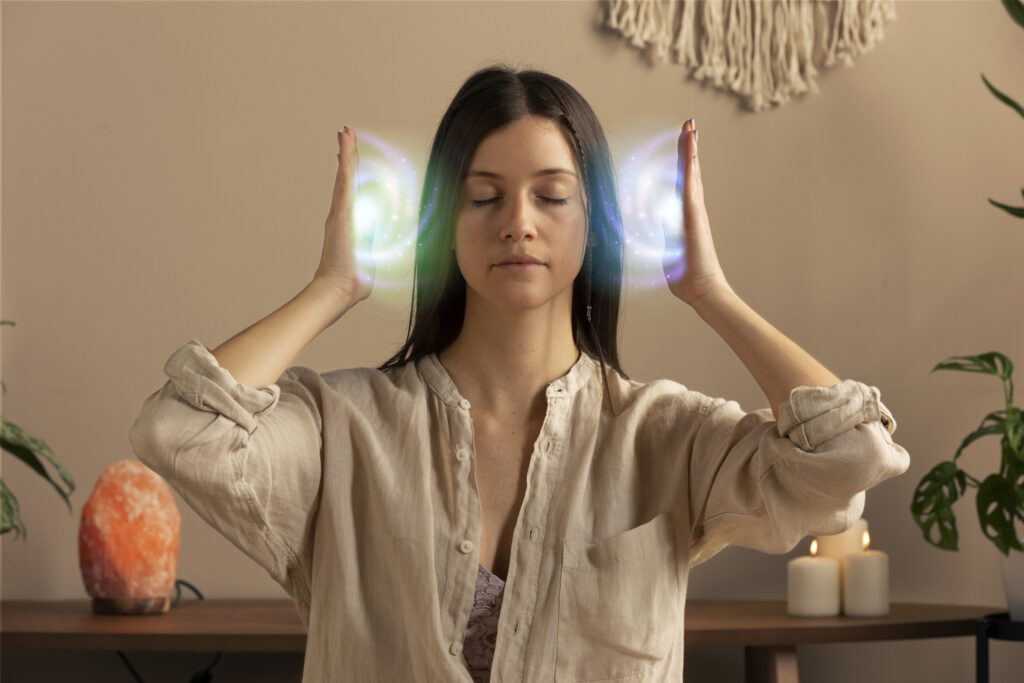
Given the observed connections between emotions and health, a growing importance on mind-body Interruptions has arisen. Practices such as meditation, mindfulness, and yoga aim to promote emotional well-being, stress reduction, and overall health. These intercessions perceive the interdependent relationship between mental and physical states, offering complete approaches to maintaining and enhancing well-being.
As we handle the difficult net of emotions and physical health, it becomes evident that a complete understanding is essential. The journey toward optimal health involves not only treating physical symptoms but also developing emotional well-being. The evolving field of mental medicine invites us to explore the deep connection of mind and body, opening new scopes in the search of complete health.
Conclusion

In conclusion, the difficult dance between emotions and physical health explains as story rich in difficulty and individuality. While evidence supports associations between specific emotions and certain diseases, a complete approach to well-being is necessary. Mental health care, stress management, and the cultivation of a healthy lifestyle make important components of this approach, highlighting the mutual relationship between emotional and physical health in the field of human well-being.