
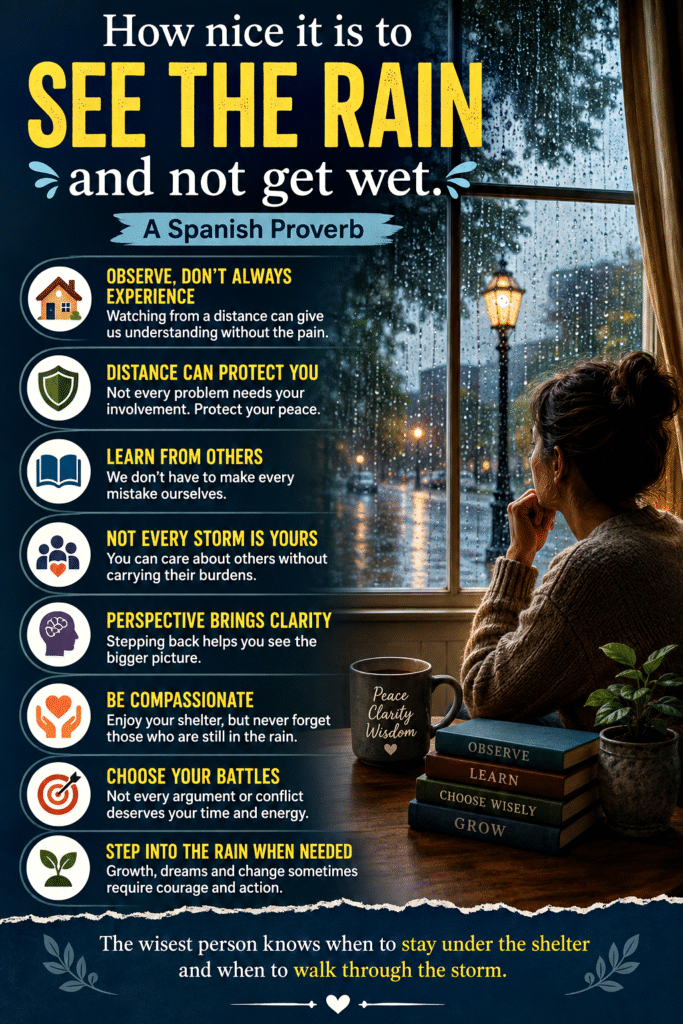
Learn From Life’s Storms Without Getting Caught in Them
The Spanish proverb “How nice it is to see the rain and not get wet” expresses a simple but meaningful idea: it is pleasant to observe a difficult situation without having to experience its unpleasant consequences. Beyond its literal meaning, the proverb teaches us about wisdom, emotional distance, learning from others, choosing our battles, and knowing when to protect ourselves.
1. The Literal Meaning
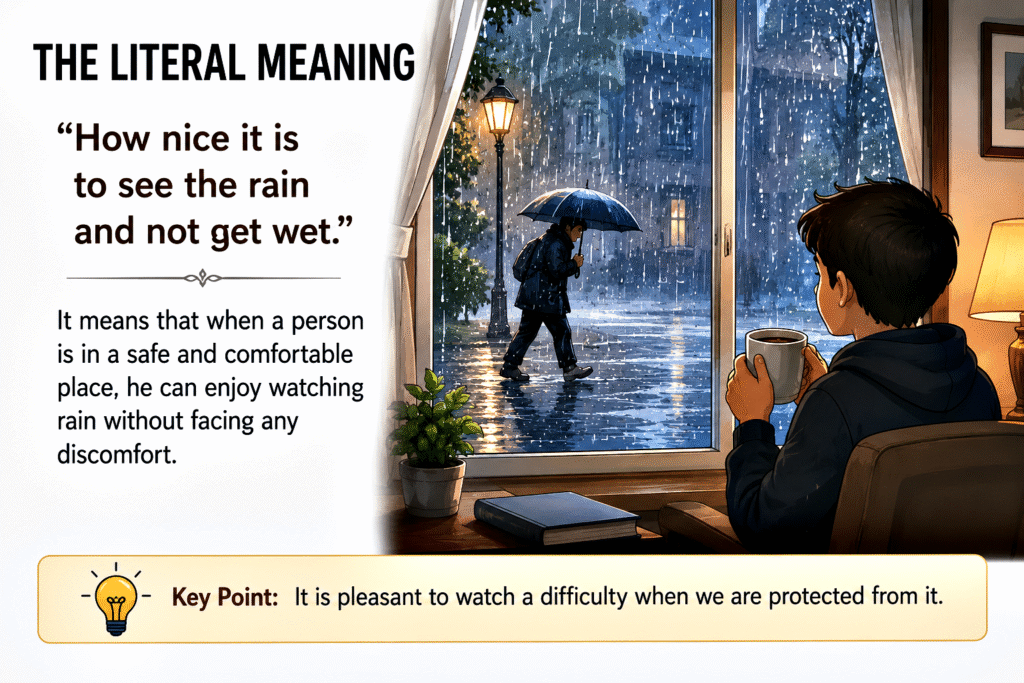
- Imagine sitting comfortably inside your home while rain falls outside.
- You can enjoy the beauty and sound of the rain without experiencing the cold, discomfort, or inconvenience.
- The proverb captures the difference between observing something and actually experiencing it.
Key Point: Sometimes distance allows us to appreciate an experience without suffering its negative effects.
2. Observation Is Different From Experience
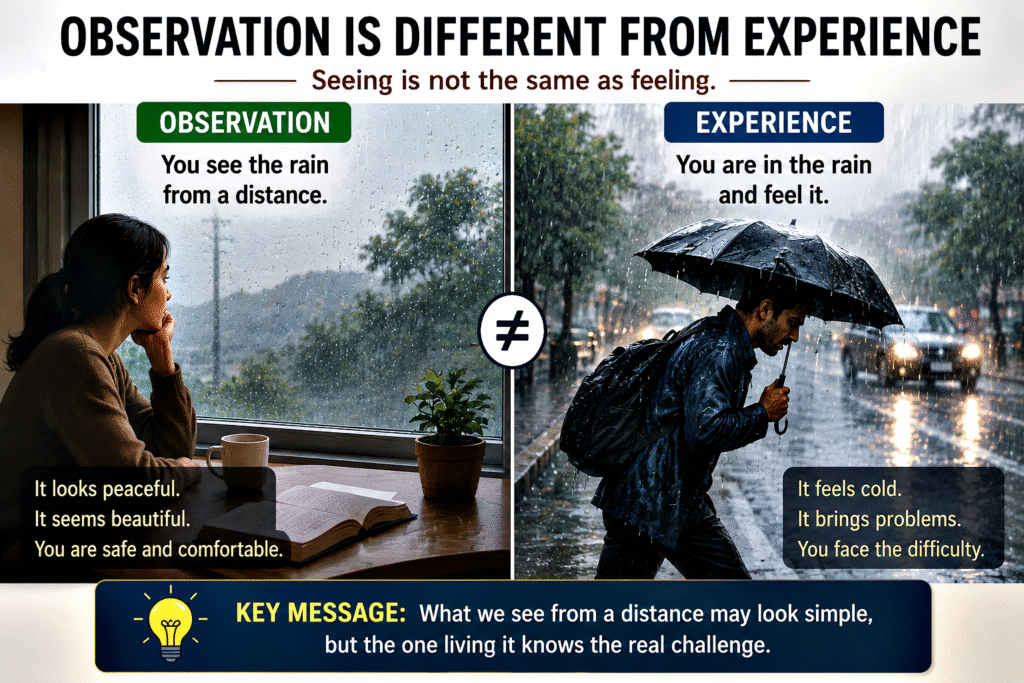
- We can watch someone experience failure, heartbreak, conflict, or financial difficulty.
- We may understand what is happening, but we do not necessarily feel the same emotions.
- Watching a storm through a window is very different from standing outside in it.
Key Point: Seeing someone else’s struggle is not the same as living through it.
3. Distance Can Protect Your Peace
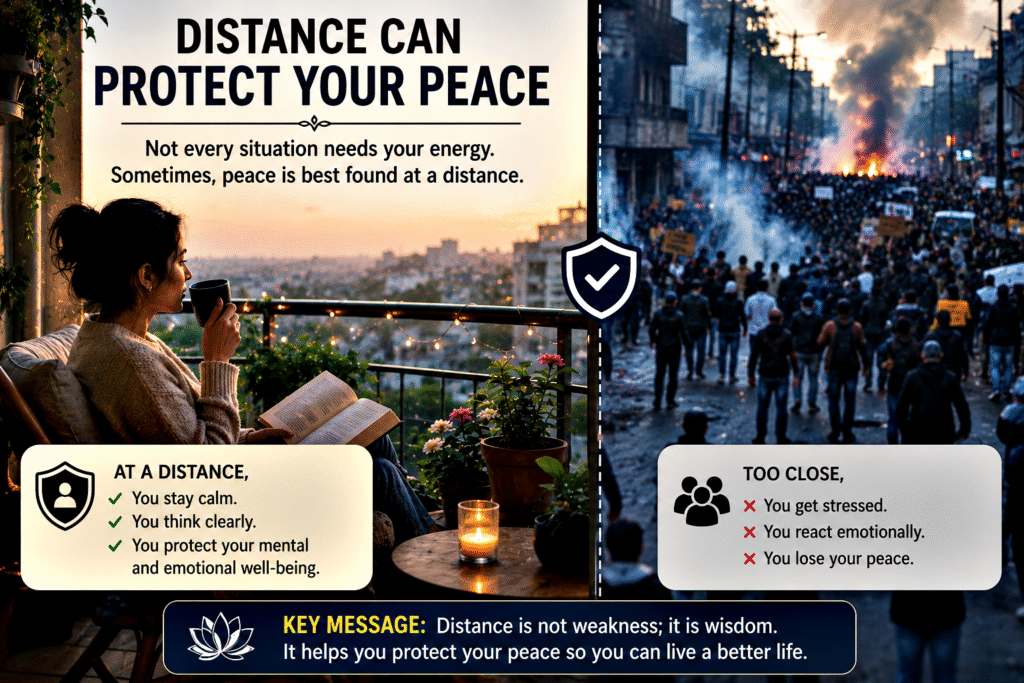
- Sometimes the best decision is to maintain a healthy distance from harmful situations.
- You do not have to become involved in every argument, conflict, or controversy around you.
- Staying away from unnecessary drama can protect your emotional well-being.
Key Point: Healthy distance can protect your peace and prevent unnecessary suffering.
4. Learn From Other People’s Mistakes
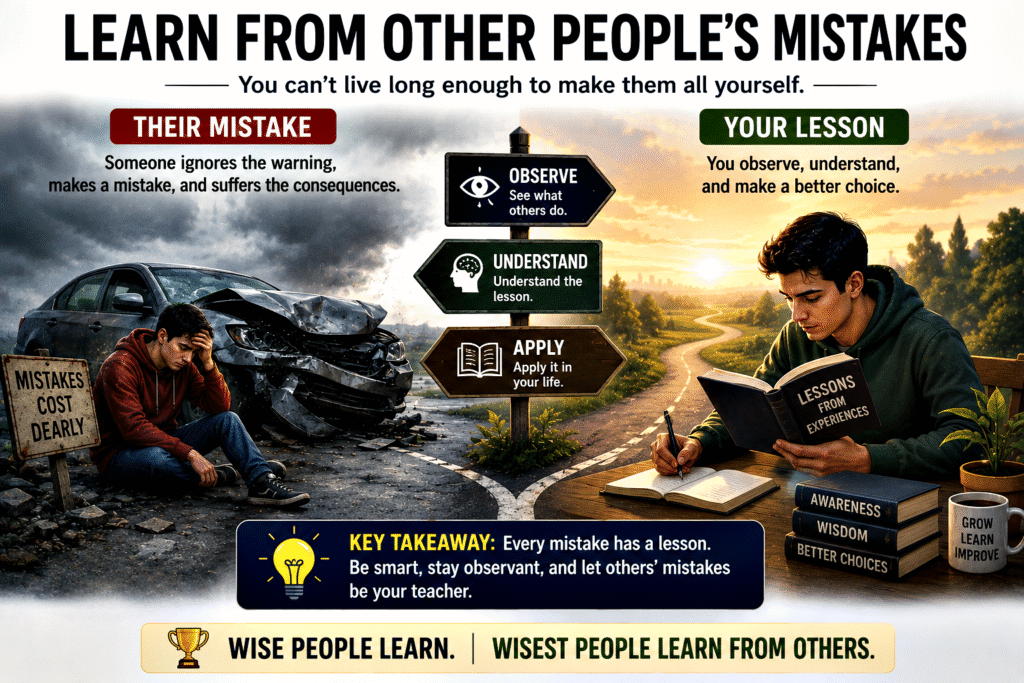
- We do not have to make every mistake ourselves.
- Other people’s experiences can teach us valuable lessons.
- If we observe the consequences of someone’s poor decision, we can avoid making the same mistake.
- This is one of the most practical lessons contained in the proverb.
Key Point: Other people’s mistakes can become valuable lessons for our own lives.
5. Not Every Storm Needs to Become Our Storm
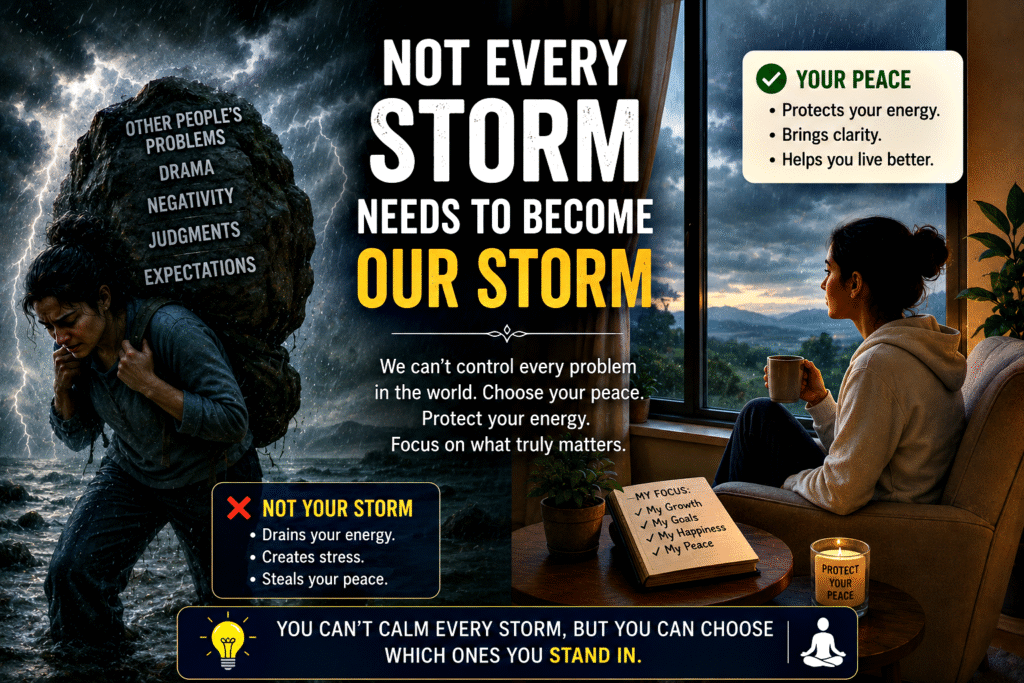
- Life constantly presents us with other people’s problems.
- Someone else’s argument does not automatically require our involvement.
- Someone else’s negativity does not have to become our negativity.
- We can care about people without taking every problem upon ourselves.
Key Point: You can care about a situation without allowing it to become your personal crisis.
6. Emotional Distance Can Provide Clarity
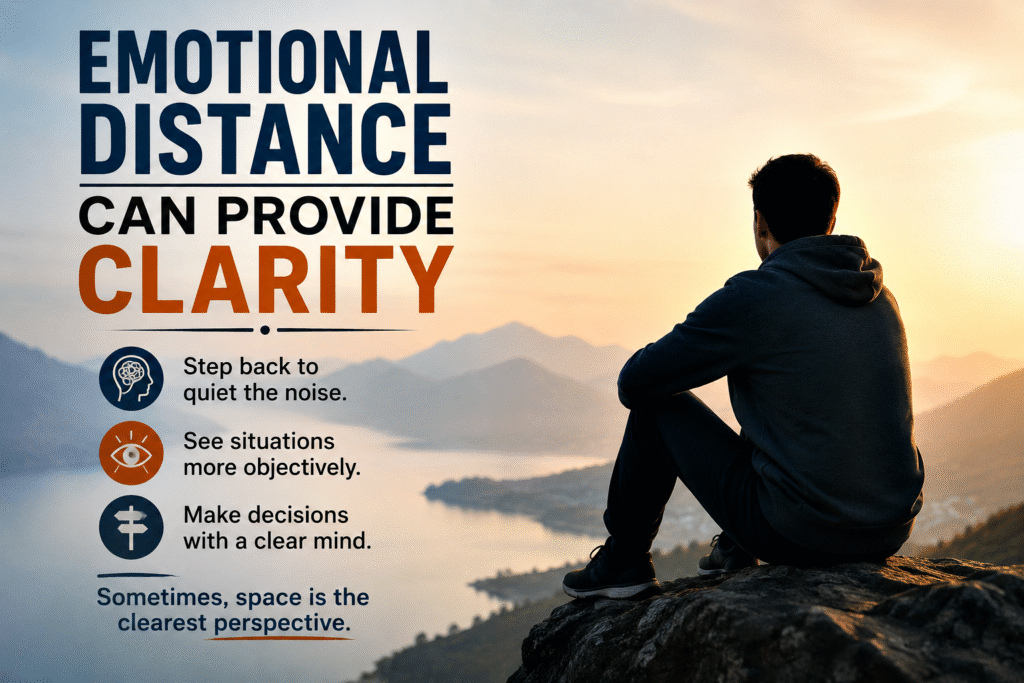
- When we are directly involved in a problem, strong emotions can affect our judgment.
- Taking a step back allows us to think more calmly.
- This is why we can sometimes give better advice to others than to ourselves.
- We are able to see their situation without carrying the same emotional burden.
Key Point: Stepping back from a problem can help you see it more clearly.
7. The Proverb Also Teaches Empathy
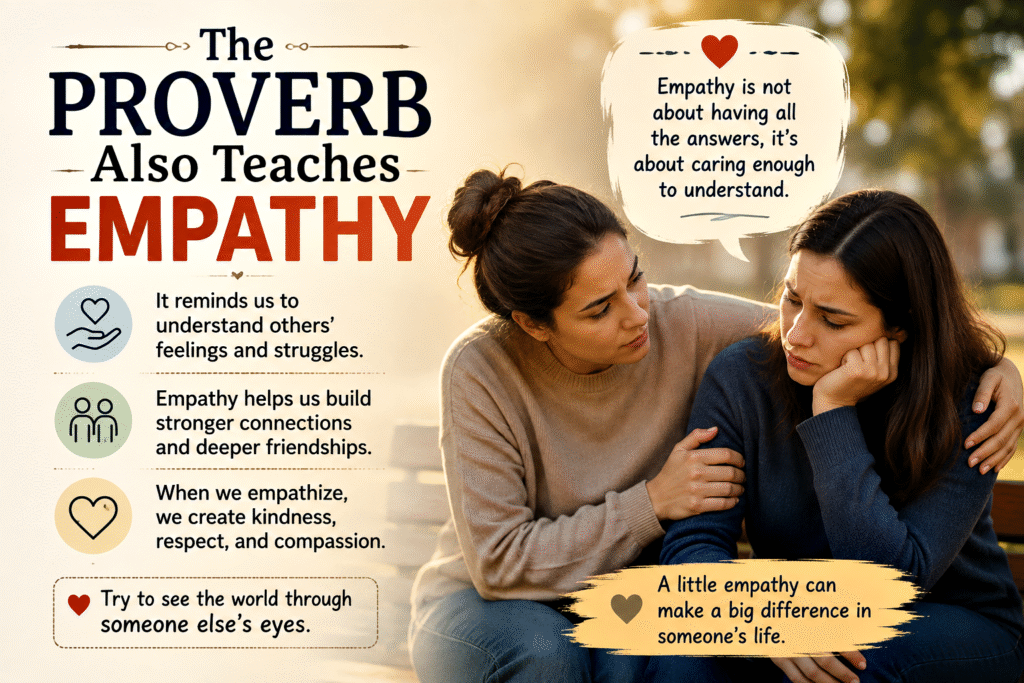
- There is an important warning hidden within the proverb.
- Someone watching the rain from a dry room may enjoy it, while another person outside may desperately need shelter.
- Similarly, it is easy to judge someone’s problems when we are not experiencing them.
- Therefore, being protected from difficulties should make us more compassionate, not less understanding.
Key Point: Enjoy your shelter, but never forget those who are still standing in the rain.
8. It Applies to Relationships
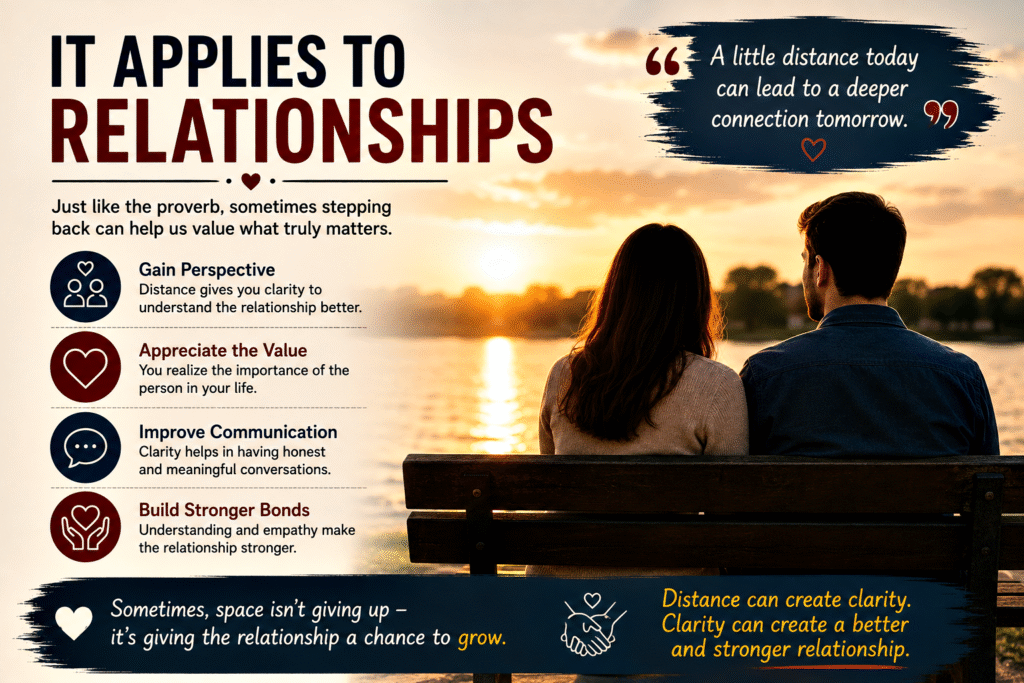
- Relationships often create emotional storms.
- Friends, relatives, and colleagues may have disagreements that do not directly concern us.
- Sometimes the best thing we can do is listen and support them without taking sides or becoming part of the conflict.
- Not every disagreement requires our participation.
Key Point: Supporting someone does not always mean becoming involved in their problems.
9. It Is Especially Relevant to Social Media

- Social media exposes us to arguments, controversies, scandals, and conflicts every day.
- We can easily become emotionally involved in situations that have nothing to do with our own lives.
- Arguing with strangers or constantly following online controversies can consume our time and energy.
- Sometimes the wisest choice is simply to step away.
Key Point: Not every online storm deserves your attention or emotional energy.
10. It Reminds Us to Appreciate What We Have
- Sitting safely indoors while watching rain can also remind us to appreciate our shelter.
- In the same way, we should appreciate peace, supportive relationships, financial security, and other forms of comfort in our lives.
- We often notice the value of something only when it is threatened or lost.
Key Point: Seeing difficulties around us can remind us to appreciate the comfort and security we already have.
11. We Often Want Rewards Without the Struggle
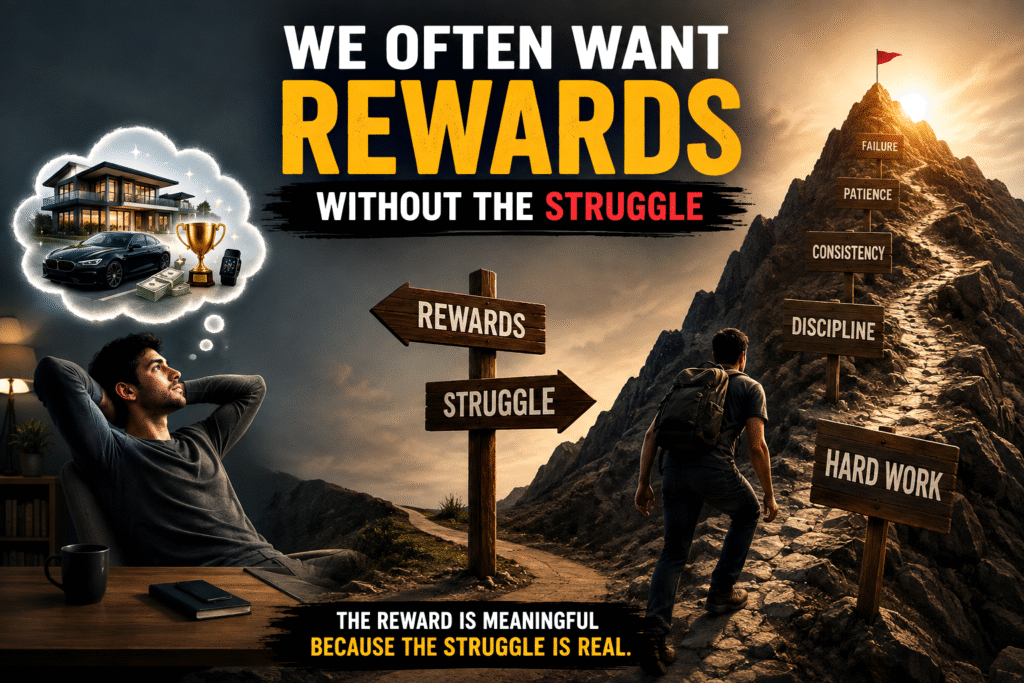
- The proverb also reflects a common human desire: we want the beauty of the rain without getting wet.
- We may want success without failure, achievement without struggle, and confidence without facing fear.
- But meaningful growth often requires discomfort.
- Some experiences cannot be understood simply by watching others.
Key Point: Avoid unnecessary suffering, but accept the discomfort that genuine growth requires.
12. Sometimes You Have to Step Into the Rain
- There are moments when watching from a distance is not enough.
- Pursuing a dream, starting something new, changing your life, or recovering from failure requires action.
- You cannot remain behind a window forever and expect life to change.
- Sometimes you must accept uncertainty and take the first step.
Key Point: Growth often requires us to leave our comfort zone and face the rain ourselves.
13. Wisdom Means Knowing Which Storms to Face
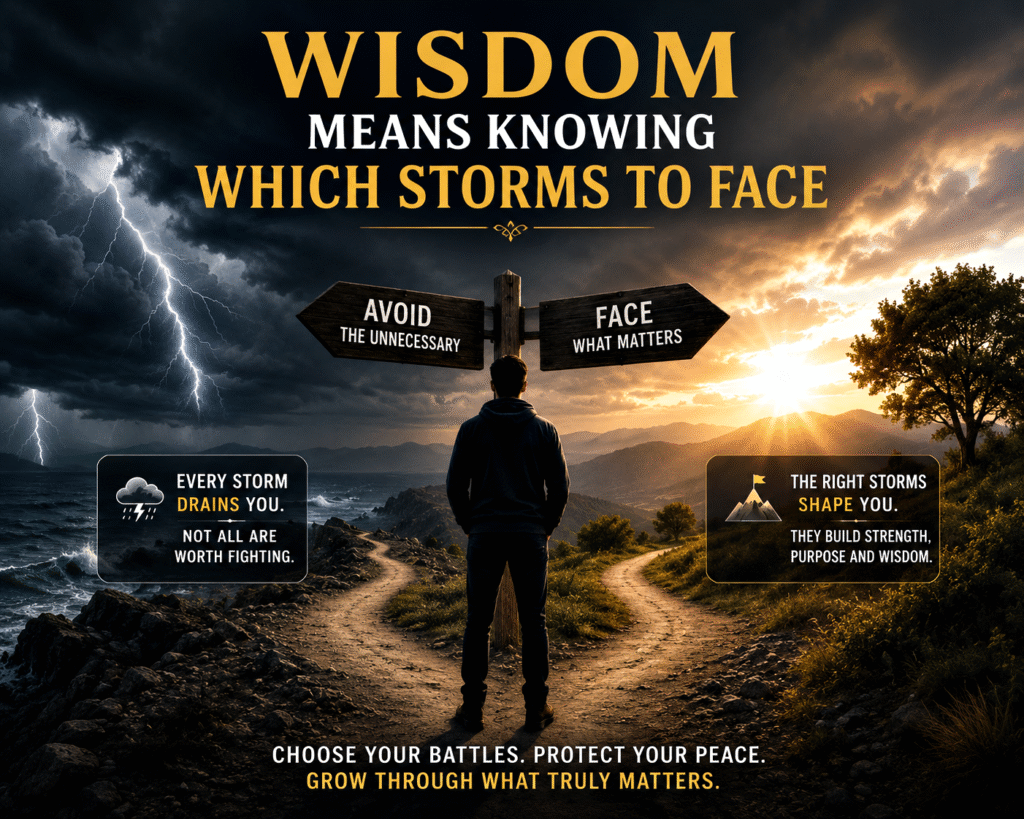
The real lesson is not to avoid every difficult situation.
- Instead, it is about knowing which problems are worth facing and which are better avoided.
- Some challenges help us become stronger.
- Others are simply unnecessary consequences of poor choices, toxic relationships, or needless arguments.
Key Point: Maturity means knowing which storms deserve your participation.
14. Choose Your Battles Carefully
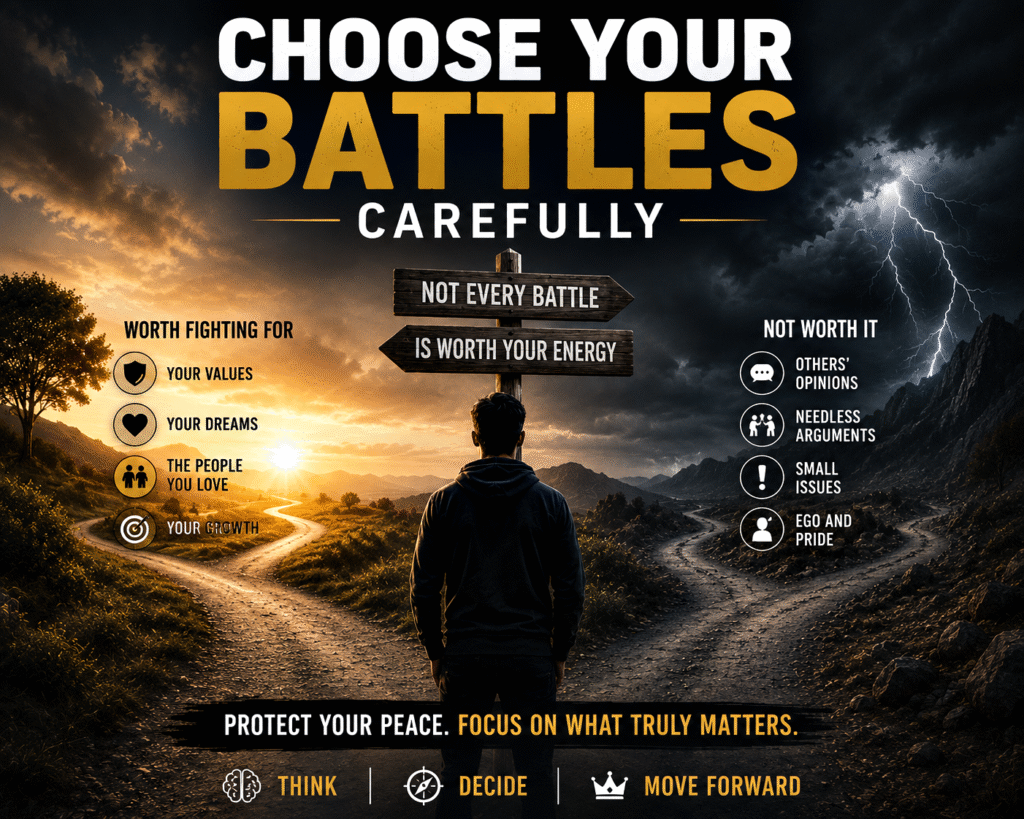
- We do not have to respond to every criticism.
- We do not have to correct every person.
- We do not have to win every argument.
- We do not have to prove ourselves to everyone.
- Sometimes walking away is a sign of strength rather than weakness.
Key Point: Protect your peace by choosing carefully where you spend your energy.
15. The Deeper Lesson
- Ultimately, the proverb is about perspective, wisdom, boundaries, empathy, and choice.
- Observe what happens around you.
- Learn from other people’s experiences.
- Avoid unnecessary problems.
- Remain compassionate toward those who are struggling.
- And when a challenge is necessary for your growth, dare to face it.
Key Point: A wise person knows when to watch the storm from a safe place and when to walk through it.
Conclusion
The Spanish proverb “How nice it is to see the rain and not get wet” may sound simple and humorous, but it carries an important lesson about life. We do not need to experience every hardship personally to learn from it. Other people’s mistakes, struggles, and experiences can teach us valuable lessons while helping us avoid unnecessary pain.
At the same time, we should not become so afraid of difficulties that we avoid every challenge. Some storms are unavoidable, and some are necessary for personal growth. The important thing is to distinguish between unnecessary suffering and meaningful struggle.
The proverb ultimately encourages us to develop the wisdom to know when to stay under the shelter and when to step into the rain.
Key Lesson: Life becomes more peaceful when we learn from the storms around us, avoid unnecessary conflicts, remain compassionate toward those who are struggling, and have the courage to face the challenges that can help us grow.