If You Want People to Respect You More, Stop Doing These 8 Subtle Things in Conversations
Respect is rarely lost because of loud mistakes. More often, it quietly erodes through small, subtle conversational habits that go unnoticed. These habits may seem harmless, polite, or even well-intentioned yet over time, they shape how others perceive your confidence, authority, and self-worth.
If you’ve ever felt that people talk over you, dismiss your opinions, or don’t take you seriously despite your intelligence or kindness, the issue may not be what you’re saying—but how you’re showing up in conversations.
Let’s explore eight subtle conversational behaviours that quietly reduce respect, and why stopping them can dramatically change how people respond to you.
1. Over-Explaining Yourself (Especially When You Don’t Need To)
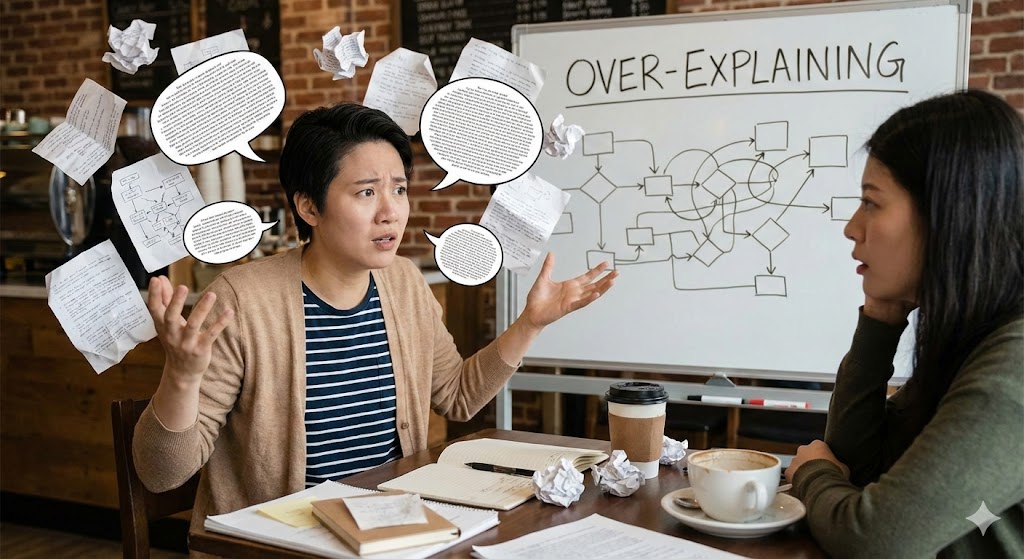
One of the most common respect-killers in conversation is over-explaining. This happens when you feel compelled to justify every decision, opinion, or boundary with excessive details.
While clarity is good, over-explaining often signals:
- Insecurity
- Fear of disapproval
- A need for validation
Psychologically, people who over-explain are often trying to pre-empt criticism. But ironically, this habit invites more scrutiny rather than less.
For example, instead of saying:
“I can’t attend the meeting.”
You say:
“I can’t attend the meeting because I have another commitment that was scheduled earlier, and it’s important, and I really tried to rearrange it but couldn’t…”
The more you explain, the more it sounds like you’re asking for permission rather than stating a decision.
Why it reduces respect:
Confident people trust that their choices are valid without excessive justification. When you over-explain, others subconsciously assume you doubt yourself—and they mirror that doubt.
What to do instead:
State your point clearly and stop. Silence after clarity communicates confidence.
2. Constantly Agreeing to Avoid Discomfort

Agreeableness is often mistaken for respectworthiness. But chronic agreement, especially when it goes against your real thoughts, actually reduces how seriously people take you.
This shows up as:
- Nodding even when you disagree
- Saying “You’re right” when you’re not convinced
- Avoiding opposing views to keep peace
While this may make interactions smoother in the short term, it slowly erases your individuality.
Why it reduces respect:
People respect those who have their own perspective. If you never challenge, question, or offer a differing view, you appear passive rather than thoughtful.
Respect is not about being liked by everyone—it’s about being seen as someone with a backbone.
What to do instead:
Disagree calmly and respectfully when needed. Even a simple:
“I see it differently.”
is enough to establish presence without conflict.
3. Nervous Laughing or Smiling at Serious Moments

Smiling and laughter are positive traits—but using them as a defense mechanism in serious conversations sends mixed signals.
This includes:
- Laughing when making an important point
- Smiling while setting boundaries
- Chuckling when expressing discomfort
Often, this habit develops from a desire to appear non-threatening or to soften tension. But it unintentionally undermines your message.
Why it reduces respect:
When your facial expressions don’t match your words, people unconsciously prioritise the expression. A serious message delivered with nervous laughter feels less serious.
Over time, people stop taking your concerns or boundaries seriously.
What to do instead:
Allow seriousness to exist. It’s okay to pause, breathe, and speak without emotional cushioning. Calm neutrality is powerful.
4. Interrupting—or Rushing to Respond

Interrupting isn’t always intentional. Sometimes it comes from enthusiasm, anxiety, or the fear of forgetting your point. However, even subtle interruptions damage conversational respect.
This also includes:
- Finishing people’s sentences
- Jumping in before someone fully completes their thought
- Preparing your reply instead of listening
Why it reduces respect:
Interrupting signals that your thoughts are more important than theirs. Even if that’s not your intention, that’s how it’s received.
Respect is built on presence. When people feel heard, they value the listener more.
What to do instead:
Practice active listening. Let the other person finish fully—even if there’s a pause. Pauses don’t weaken conversations; they deepen them.
5. Excessive Self-Deprecation Disguised as Humor

A little self-awareness is healthy. But constant self-deprecating jokes quietly lower your perceived value.
Examples include:
- “I’m terrible at this, but…”
- “I know this might sound stupid…”
- “I’m probably wrong, but…”
People often use this to appear humble or likable. However, repeated self-minimization trains others to see you as less competent.
Why it reduces respect:
People tend to believe what you consistently say about yourself. If you repeatedly frame yourself as incapable or inferior—even jokingly—others internalize that image.
What to do instead:
Let your words stand without diminishing them. Humility doesn’t require self-insult. Quiet confidence is far more respected.
6. Seeking Constant Validation Mid-Conversation

Validation-seeking behaviors are subtle but powerful. They sound like:
- “Does that make sense?”
- “Am I explaining this right?”
- “What do you think?” after every sentence
While occasional clarification is fine, constant checking interrupts your flow and signals uncertainty.
Why it reduces respect:
People respect those who are comfortable owning their ideas. Excessive validation-seeking suggests you don’t trust your own thoughts unless they’re approved.
It shifts the power balance—placing the listener in a position of authority over you.
What to do instead:
Share your idea fully. Let feedback come naturally rather than pulling it out anxiously.
7. Apologising When You Haven’t Done Anything Wrong

Over-apologizing is one of the most overlooked conversational habits that reduce respect.
This includes apologising for:
- Asking a question
- Taking time to speak
- Expressing an opinion
- Existing in someone’s space
Apologies are meaningful when warranted. But unnecessary apologies dilute their value.
Why does it reduce respect:
Frequent apologising frames you as a burden—even when you’re not. It subtly communicates that your presence or voice is inconvenient.
People respect those who take up space without guilt.
What to do instead:
Replace unnecessary apologies with neutral language.
Instead of:
“Sorry to bother you…”
Say:
“I have a quick question.”
8. Giving Away Your Power Through Excessive Politeness

Politeness is admirable—but excessive politeness can cross into self-erasure.
This shows up as:
- Softening every statement
- Avoiding direct language
- Constantly prioritizing others’ comfort over clarity
For example:
“If it’s okay with you, and only if you’re not busy, maybe we could possibly…”
This isn’t kindness—it’s fear of asserting yourself.
Why it reduces respect:
People respect clarity and decisiveness. When you dilute your message to avoid inconvenience, you signal that your needs are secondary.
True respect arises when kindness and self-respect coexist.
What to do instead:
Be polite, but direct. You don’t need to be harsh—just clear.
Conclusion
Final Thoughts: Respect Begins With How You Treat Your Own Voice
Respect in conversations isn’t about dominance, volume, or charisma. It’s about how comfortably you occupy your own space—mentally and verbally.
When you stop:
- Over-explaining
- Self-minimizing
- Seeking permission to speak
You naturally invite others to take you more seriously.
The shift doesn’t require changing your personality. It requires removing habits rooted in self-doubt, not adding confidence theatrics.
Remember:
People often mirror the respect you show yourself—especially in conversation.