
7 Situations Where the Best Thing to Do Is Stay Silent and Walk Away
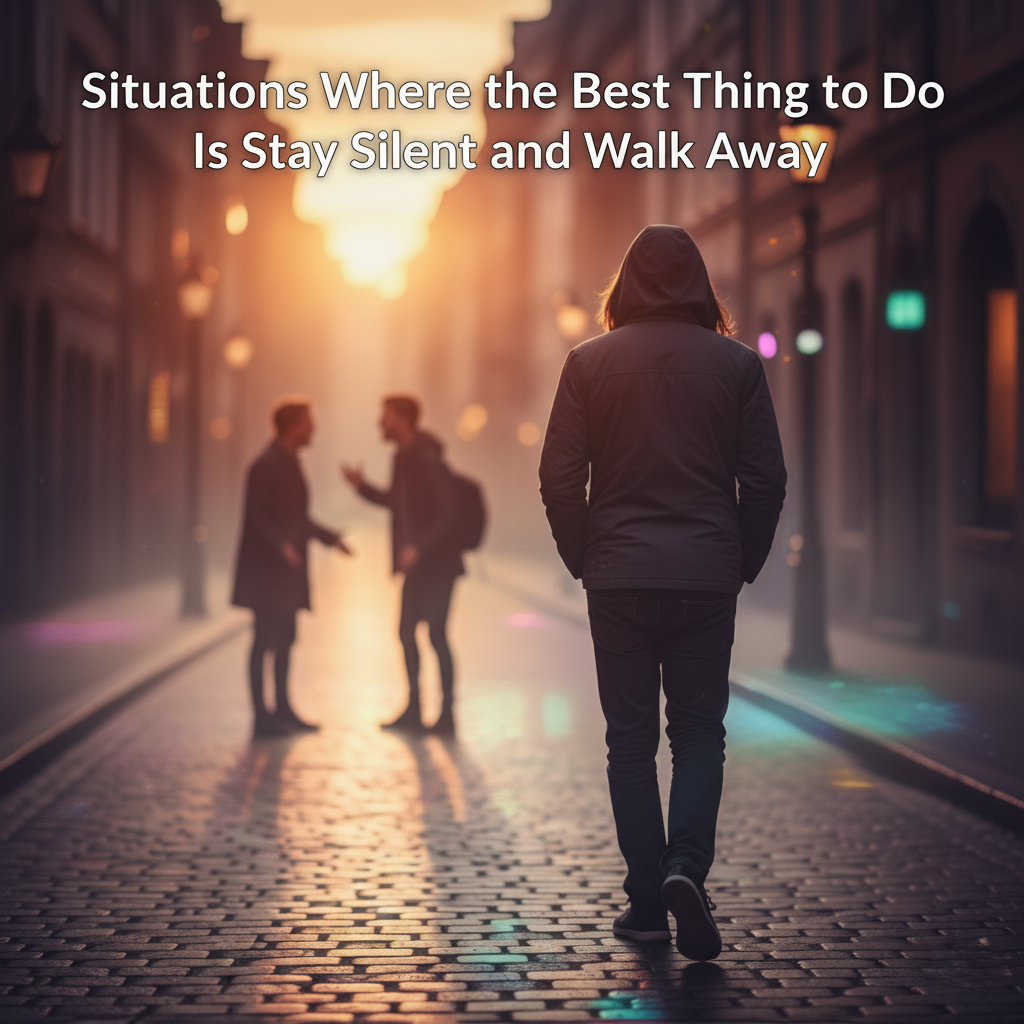
In a world that constantly encourages us to react, respond, defend, and explain ourselves, silence is often misunderstood as weakness. In reality, silence—when chosen consciously—is one of the most powerful responses a person can have. Walking away does not mean you lost. It often means you chose peace over chaos, dignity over drama, and wisdom over ego.
Not every situation deserves your words. Not every provocation deserves your energy. And not every battle is worth fighting. Below are seven situations where it is wise to stay silent and walk away. It is necessary for your mental, emotional, and psychological well-being.
1. When You Are Being Disrespected Repeatedly
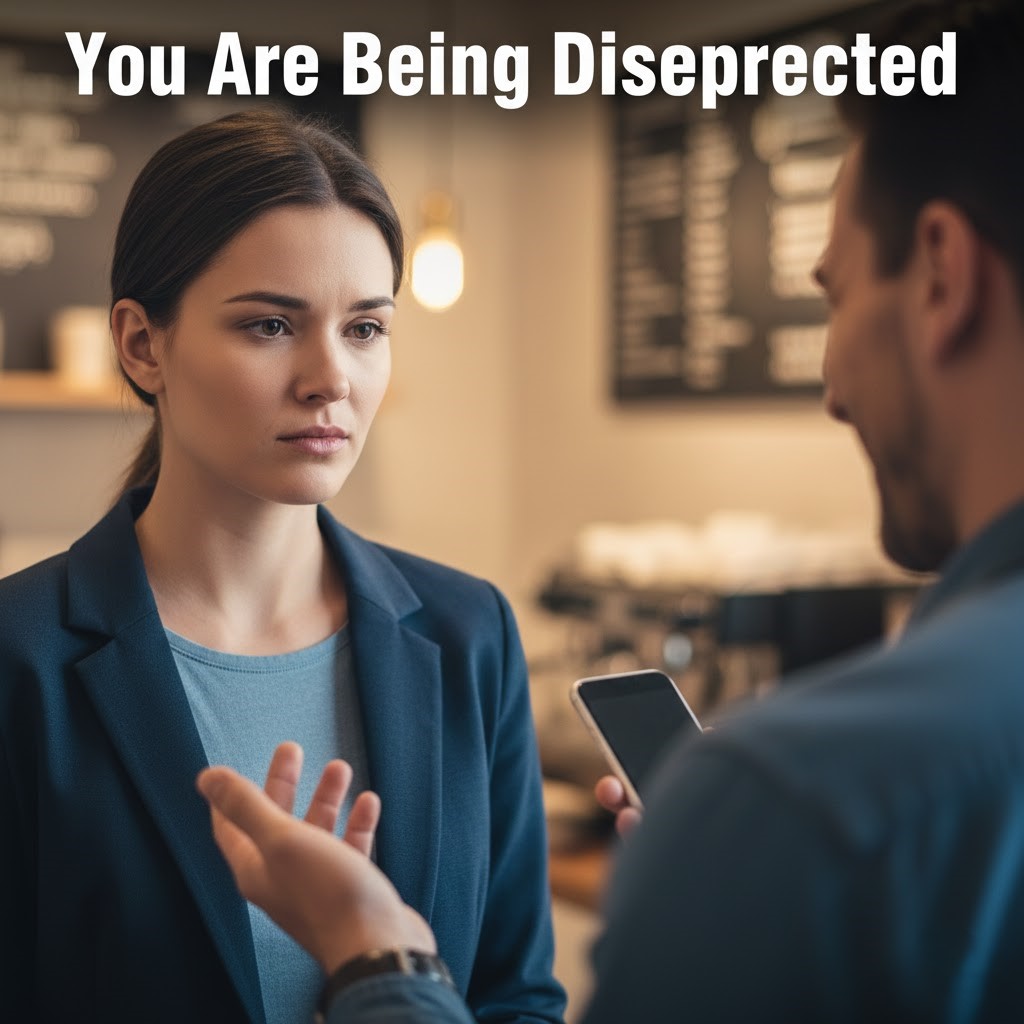
Occasional misunderstandings are part of human interaction. But repeated disrespect is a pattern, not an accident. When someone continuously talks down to you, mocks your opinions, ignores your boundaries, or treats you as inferior, engaging further often does more harm than good.
Explaining your worth to someone who has already decided to overlook it is exhausting and futile. Disrespectful people are rarely interested in understanding—they are interested in dominance, control, or ego satisfaction. Your words will not suddenly awaken empathy in them.
Silence in such moments becomes a form of self-respect. Walking away sends a powerful, unspoken message: “I do not need to tolerate this to prove my value.” It also prevents you from being pulled into arguments that chip away at your confidence and peace.
Sometimes, the strongest response is refusing to participate in your own mistreatment.
2. When Someone Is Determined to Misunderstand You

There are people who listen not to understand, but to respond—or worse, to twist your words. In such situations, no amount of clarification will help. Every explanation becomes ammunition. Every sentence is misinterpreted to suit their narrative.
Trying to convince such individuals is emotionally draining and mentally frustrating. You may find yourself repeating the same points, defending intentions you never had to justify in the first place.
This is where silence becomes wisdom. When someone is committed to misunderstanding you, continuing the conversation only deepens the conflict. Walking away protects your mental energy and prevents unnecessary self-doubt.
Not everyone deserves access to your inner world. Silence is sometimes the boundary that keeps your sanity intact.
3. When Emotions Are Running High
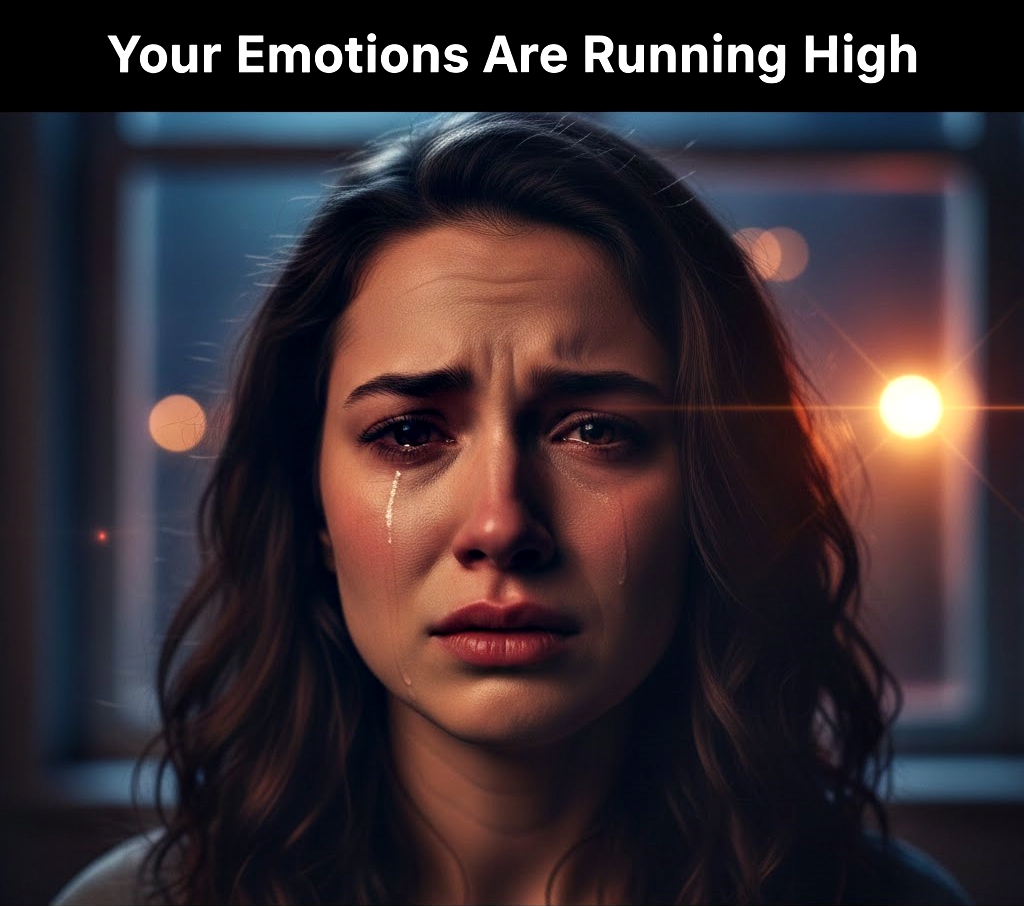
Anger, hurt, jealousy, and frustration can hijack even the most rational minds. When emotions peak, words spoken are often regretted later but remembered forever. In heated moments, silence is not avoidance—it is emotional intelligence.
Responding while overwhelmed increases the likelihood of saying something harsh, exaggerated, or damaging. Once said, words cannot be taken back. They leave scars that apologies may never fully heal.
Walking away gives you space to cool down, reflect, and regain control. It prevents escalation and allows time for clarity. Silence in such moments is a pause button, not a surrender.
Choosing silence when emotions are intense is an act of maturity. It shows you value long-term peace over short-term satisfaction.
4. When You Are Dealing With Manipulative or Toxic People

Toxic individuals thrive on reactions. They provoke, criticize, gaslight, and guilt-trip specifically to elicit emotional responses. Engaging with them feeds their need for control and validation.
Arguing with a manipulator is like playing a game where the rules constantly change—and you are always wrong. They twist facts, deny accountability, and make you question your reality.
Silence disrupts their strategy. Walking away removes their power. When you stop reacting, you stop supplying the fuel that keeps the toxicity alive.
This does not mean you are weak or afraid. It means you are aware enough to recognize that not every conversation is a safe one. Sometimes, protecting yourself means disengaging completely.
5. When Your Self-Respect Is at Stake

There are moments when continuing a conversation requires you to lower your standards, compromise your values, or beg for basic decency. In such cases, silence is not just an option—it is a necessity.
Self-respect means knowing when to stop explaining, chasing, or proving yourself. It means understanding that your worth is not up for debate.
Walking away from situations that make you feel small, unseen, or unworthy is an act of courage. It requires strength to choose dignity over validation.
When you stay silent and leave, you are telling yourself: “I deserve better than this.” And that belief is the foundation of emotional strength.
6. When Words Will Only Make Things Worse

Some situations are already fragile. Adding more words can intensify misunderstandings, reopen wounds, or escalate conflict. In such cases, silence is not neglect—it is restraint.
There are times when people are not ready to listen, process, or heal. Pushing conversation in those moments may cause further damage rather than resolution.
Walking away allows space—for emotions to settle, perspectives to shift, and time to do its quiet work. Silence can sometimes communicate more compassion than explanations ever could.
Knowing when not to speak is as important as knowing what to say. Wisdom lies in recognizing that timing matters.
7. When You Have Nothing Left to Prove

As you grow, you realize that peace is more valuable than winning arguments. You no longer feel the need to justify every choice, defend every belief, or correct every misconception.
When you are secure in who you are, silence becomes natural. You understand that other people’s opinions do not define your reality. You no longer seek approval from those who cannot offer understanding.
Walking away in such moments is a sign of inner confidence. It reflects emotional maturity and self-assurance.
You don’t owe everyone an explanation. Sometimes, the most powerful statement is moving forward without looking back.
Conclusion: Silence Is Strength, Not Weakness
Staying silent and walking away is not about fear, avoidance, or defeat. It is about discernment—knowing where your energy is best spent and where it is wasted.
Silence protects your peace.
Silence preserves your dignity.
Silence prevents unnecessary suffering.
In a noisy world, choosing silence is a revolutionary act. It allows you to rise above chaos, guard your inner calm, and focus on what truly matters.
Remember:
Not every battle deserves your voice.
Not every situation deserves your presence.
And not every person deserves access to your energy.
🙏🙏🙏