
Five Truths About People Who Prefer to Stay at Home Instead of Socialising Outside
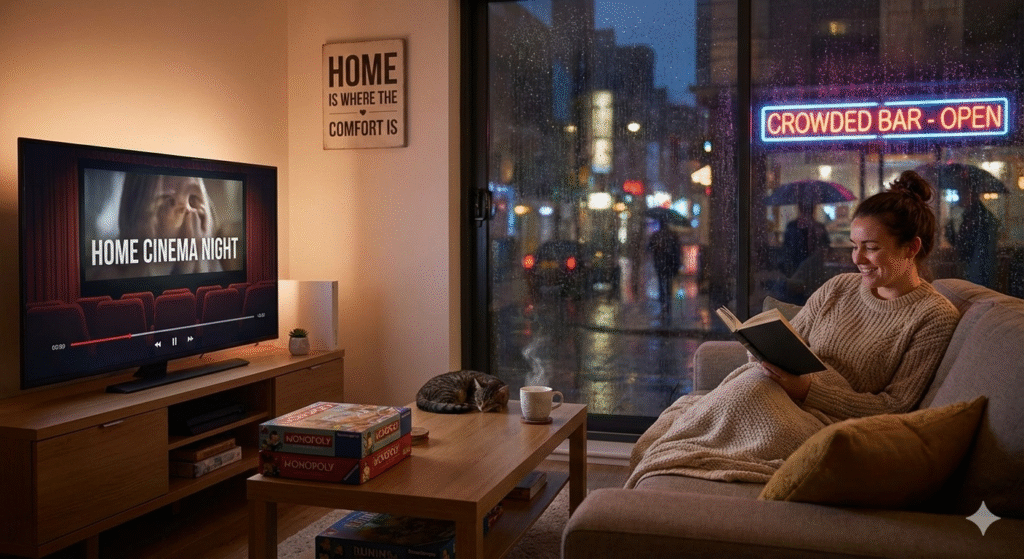
Society often praises extroversion—going out, meeting people, attending events, travelling in groups, and constantly engaging in social environments. And while there is nothing wrong with enjoying such a lifestyle, there is an equally valuable reality that belongs to another group of people: those who prefer to stay at home instead of socialising outside.
It’s easy to misunderstand them as anti-social, depressed, or socially inadequate—but these assumptions rarely capture the truth. Many home-loving individuals simply operate differently. Their choice to stay home reflects emotional independence, depth of thinking, and a unique form of strength that is often overlooked.
Below are five powerful truths about individuals who prefer staying at home over going out.
1. They are deeply comfortable with their own company
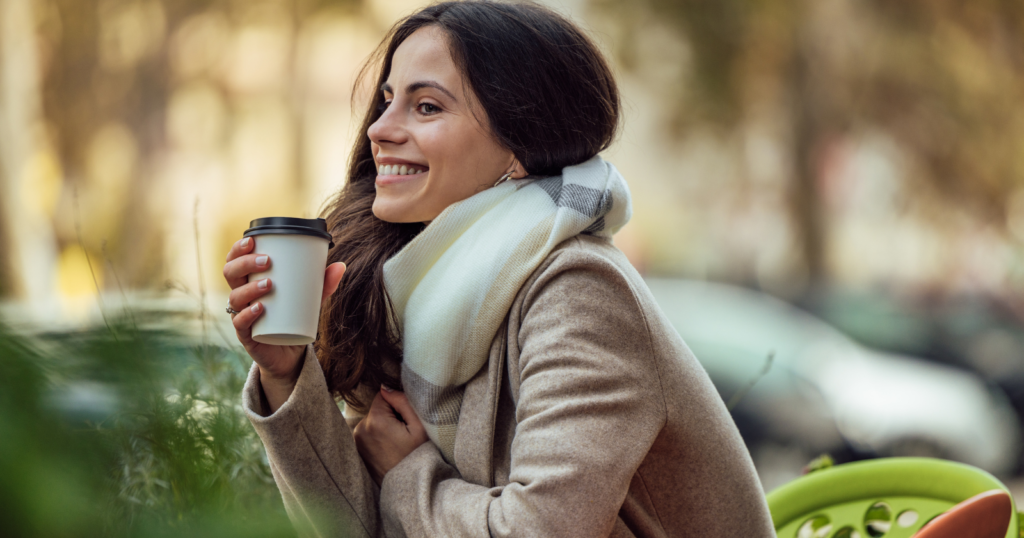
People who prefer spending time at home tend to possess one of the most underrated strengths: self-sufficiency. While others may constantly seek external stimulation or the presence of others to feel engaged, these individuals have learned to find peace within themselves.
- They don’t need noise or crowds to feel alive.
- They know how to entertain themselves through books, hobbies, creative projects, or simply being present in silence.
- Their happiness does not depend on external validation or social approval.
Being comfortable alone is not loneliness—it’s emotional maturity. Many people fear silence because it confronts them with their thoughts. But those who love staying home embrace introspection instead of escaping from it. They build inner clarity and emotional calm that people who constantly chase social stimulation may lack.
Home is not isolation for them—it’s sanctuary. It’s a place where they can think clearly, recharge fully, and connect more deeply with themselves than with any social crowd. They understand that the best relationship one can build is with their own mind.
2. They value meaningful connections over casual interactions
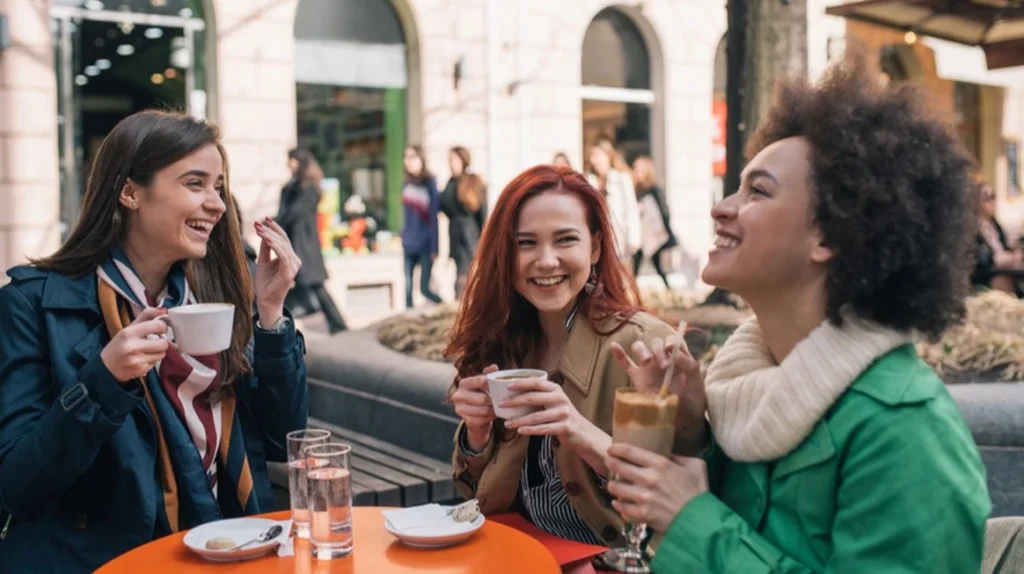
People who prefer staying home are not necessarily anti-social; rather, they are selectively social. They do not enjoy meaningless small talk or surface-level relationships. Instead, they prefer fewer connections—but deeper ones.
Their preference comes from authenticity. They dislike being around people simply to fill silence, impress others, or avoid solitude. They want:
- Conversations that matter
- Relationships built on trust and depth
- Genuine emotional bonds rather than popularity
For them, social energy is precious. They don’t spend it freely because they know their peace has value. They would rather spend time alone than with people who drain their energy, gossip, or pretend.
This makes them incredibly loyal. When they choose someone, they choose wholeheartedly. Their friendships are real, rare, and solid. They don’t need a large circle, because they understand that:
Quality always matters more than quantity.
So while others may appear more social, those who prefer staying home often have stronger and more authentic connections than many who are constantly in social crowds.
3. They respect their mental and emotional energy
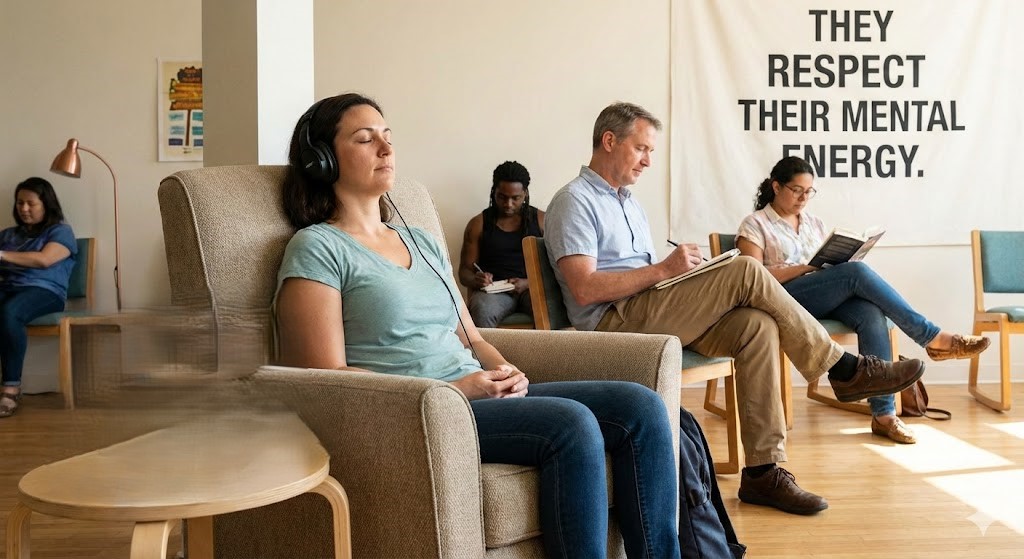
Some people draw energy from social environments, but many lose it. People who enjoy staying home often possess a high level of self-awareness. They know their limits and respect them. Social gatherings—although enjoyable in moderation—can feel overwhelming, draining, or overstimulating.
Home allows them to:
- Recharge their emotional batteries
- Think without distraction
- Protect their peace and mental balance
Instead of pushing themselves into situations that exhaust them, they choose environments that support their well-being. This isn’t avoidance—it’s healthy boundaries. It shows emotional intelligence.
While others may fear missing out, they recognise that peace is more important than constant entertainment. They understand that rest is not laziness and that silence is not emptiness but clarity.
They do not feel compelled to follow societal pressure. They choose what is right for them, not what is socially expected. That level of self-control reflects maturity that many people lack.
4. They are often highly creative, introspective, and thoughtful
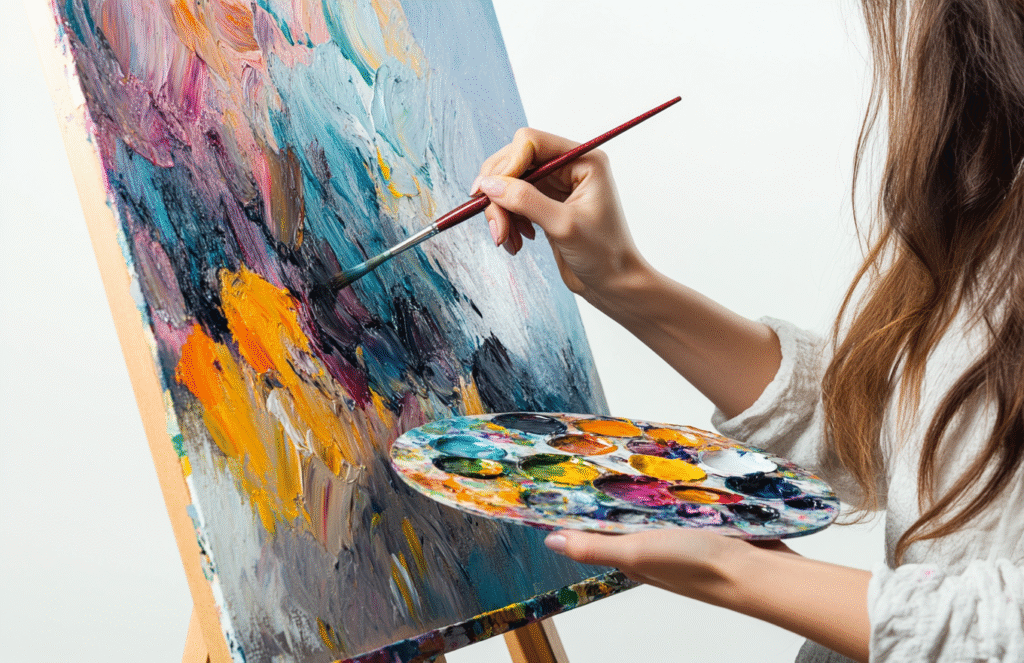
People who prefer staying home frequently excel in creative thinking. Their quiet environment allows space for imagination, reflection, and original thought. Many writers, artists, inventors, philosophers, and innovators throughout history thrived in solitude.
When they are alone:
- Their minds wander freely
- They analyze situations deeply
- They come up with ideas that others overlook
- They reflect on life, purpose, and direction
Silence nurtures creativity. Stillness nurtures insight. And deep thinking requires space—space that social environments rarely offer.
They also tend to observe the world sharply. They notice details, emotions, and behaviours that others often overlook. They may not dominate conversations in crowds, but they often speak with clarity and depth when they do.
Their thoughts are not rushed. Their decisions are not impulsive. Their words carry meaning because they think before they speak.
In a world obsessed with speed, noise, and constant stimulation, these individuals remind us that creation grows in quiet spaces.
5. They are secure within themselves and do not depend on external validation

People who love staying at home are not driven by the desire to be seen, heard, or admired. They do not feel the pressure to fit in or perform socially. They are comfortable being different.
They are not trying to prove anything. They are not running from anything. They simply know what brings them peace, and they choose it without guilt.
Their self-worth comes from:
- Their values, not trends
- Their accomplishments, not applause
- Their internal stability, not popularity
Because they do not rely on external validation, they are harder to manipulate or influence. They have a strong identity and a grounded mindset.
They know who they are.
Social pressure does not guide them. Authenticity does.
They choose comfort over performative behavior. They choose real life over appearances.
And most importantly—
They choose themselves.
Final Thought
Choosing to stay home doesn’t make someone weak, boring, or socially incapable. It often makes them self-aware, emotionally intelligent, internally strong, creative, and selective. They live on their own terms, without needing noise or crowds to feel whole.
So the next time someone says they prefer staying home, understand that it may be a sign of strength—not avoidance.
They are not hiding from the world.
They are simply building their own world