
Poverty Is a Mindset, Not a Condition: How to Break Free and Succeed
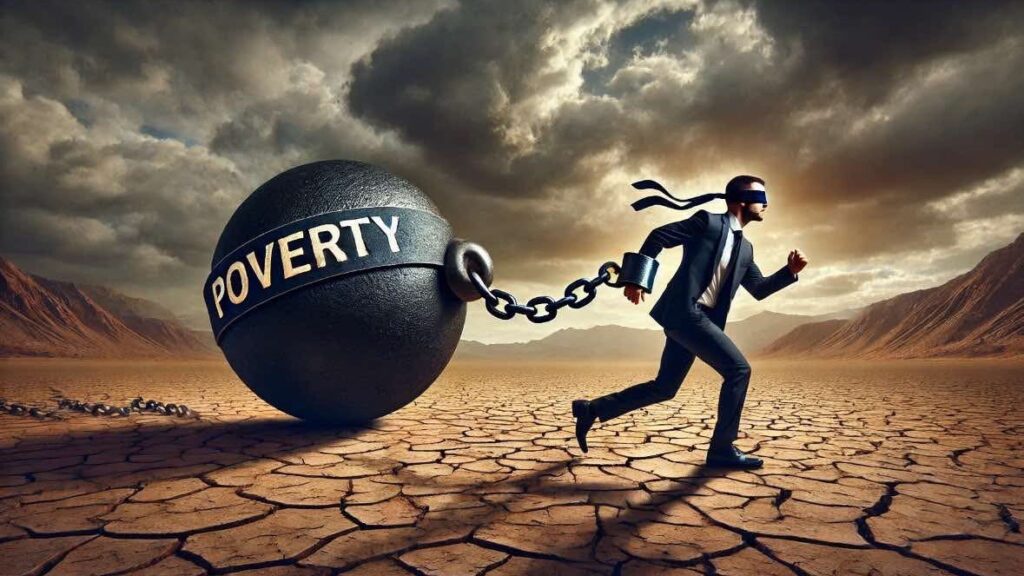
The idea that “poverty is a mindset, not a condition” reframes poverty as a psychological and behavioral framework rather than an unchangeable state defined solely by external circumstances. While acknowledging the undeniable realities of systemic barriers, lack of resources, and socioeconomic challenges, this perspective emphasizes the power of internal beliefs, habits, and attitudes in shaping one’s ability to transcend financial hardship. Below, this concept is explored extensively in pointwise form, diving deeper into each aspect with examples, insights from psychology and behavioral economics, and practical implications to provide a comprehensive understanding.
1. Beliefs as the Foundation of Action
✔ A poverty mindset is characterized by limiting beliefs that trap individuals in a cycle of scarcity. For instance, someone might believe, “I’ll never get ahead because I wasn’t born into wealth” or “Success is only for the lucky.” These thoughts act as self-fulfilling prophecies, discouraging effort or risk-taking.
✔ Viewing poverty as a mindset encourages adopting empowering beliefs, such as “My actions can create opportunities” or “Challenges are stepping stones to growth.” Psychological research, like Julian Rotter’s work on locus of control, shows that individuals with an internal locus (believing they control their outcomes) are more likely to take proactive steps toward success.
Example: Two individuals from a low-income neighborhood might face identical barriers. One, stuck in a poverty mindset, avoids applying for scholarships, assuming they’re unattainable. The other, with an abundance mindset, researches free online courses (e.g., Coursera) and persists, eventually securing a better job.
2. Habits as Building Blocks of Wealth

✔ A poverty mindset often manifests in habits that prioritize short-term survival over long-term growth, such as impulse buying, avoiding savings, or neglecting financial literacy due to overwhelm. These behaviors reinforce financial instability, regardless of income level.
✔ Treating poverty as a mindset promotes disciplined habits that compound over time. Behavioral economists like Richard Thaler emphasize “nudges”—small changes like automating savings or tracking expenses—that lead to significant outcomes. For instance, saving $10 monthly can grow into an emergency fund, providing stability to pursue risks like job training.
Example: A single parent might feel trapped by bills and opt for fast food for convenience, perpetuating health and financial strain. Shifting to meal prepping or bartering skills (e.g., tutoring for groceries) saves money and builds resourcefulness.
3. Openness to Opportunities

✔ When poverty is seen as an unchangeable condition, opportunities appear scarce or inaccessible. A poverty mindset filters out possibilities through fear, self-doubt, or assumptions like “That job isn’t for someone like me.” This selective perception limits progress.
✔ A mindset shift cultivates an abundance mentality, as Stephen Covey describes, where individuals actively seek and create opportunities. In today’s digital age, resources like LinkedIn for networking, Khan Academy for free education, or platforms like Upwork for freelancing are accessible to many.
Example: Oprah Winfrey, born into poverty, didn’t let her circumstances define her. She seized opportunities through education and persistence, building a media empire. Similarly, a factory worker might start a side hustle selling crafts online, leveraging platforms like Etsy.
4. Resilience in the Face of Setbacks

✔ Viewing poverty as a condition fosters helplessness, where setbacks like job loss, medical bills, or economic downturns feel like permanent defeats. This can lead to despair, substance abuse, or giving up on goals.
✔ A mindset approach builds resilience, treating setbacks as temporary and educational. Viktor Frankl’s Man’s Search for Meaning illustrates how attitude shapes outcomes, even in extreme hardship. Cognitive behavioral therapy (CBT) techniques can help reframe thoughts like “I’m doomed” to “This is tough, but I’ve overcome challenges before.”
Example: During the 2008 recession, many lost jobs, but those with resilient mindsets pivoted—learning coding via free resources like Codecademy or starting small businesses. Today, platforms like YouTube offer tutorials for new skills, enabling recovery from financial hits.
5. Self-Worth as a Catalyst for Change

✔ A poverty mindset often erodes self-esteem, leading individuals to undervalue their skills or potential. This manifests in accepting low-paying jobs, avoiding salary negotiations, or shying away from leadership roles, reinforcing financial struggle.
✔ Shifting to a mindset of inherent value boosts confidence, encouraging bold actions like pursuing promotions or starting ventures. Studies in positive psychology show that small wins—like completing a course or receiving positive feedback—build self-efficacy, the belief in one’s ability to succeed.
Example: J.K. Rowling, once a struggling single mother, overcame self-doubt to write Harry Potter, transforming her life through belief in her creative worth. Similarly, a retail worker might take a public speaking course, gaining confidence to negotiate a raise.
6. Long-Term Vision Over Short-Term Survival

✔ Poverty as a condition traps people in survival mode, where immediate needs—rent, food, bills—eclipse future planning. This focus perpetuates cycles, especially across generations, as parents model scarcity thinking.
✔ A mindset shift prioritizes delayed gratification and long-term goals, as demonstrated in Walter Mischel’s marshmallow experiment, where children who waited for bigger rewards achieved more later. In financial terms, this means investing in education, retirement accounts, or entrepreneurship despite upfront costs.
Example: Microfinance programs like Grameen Bank pair small loans with mindset training, helping borrowers start businesses that lift families out of poverty. A student might forgo a low-paying job to pursue a degree, knowing it will yield higher earnings.
7. Gratitude and Positivity as Emotional Drivers

✔ A poverty mindset fixates on lack—“I don’t have enough”—creating a negativity bias that stifles creativity and attracts stress. Martin Seligman’s positive psychology research shows gratitude increases well-being, motivation, and problem-solving ability.
✔ Practicing gratitude for existing resources (health, skills, community) fosters an abundance mindset, sparking innovative solutions like turning hobbies into income (e.g., selling art on Etsy) or collaborating with others for mutual gain.
Example: A struggling artist might feel trapped but, by appreciating their creativity, could start teaching art classes locally, generating income. Gratitude also builds social capital, attracting supportive networks.
8. Shaping One’s Environment

✔ External environments—negative peers, toxic workplaces, or limited local resources—can reinforce a poverty mindset. Viewing poverty as a condition accepts these as unchangeable, leading to resignation.
✔ A mindset approach involves curating one’s surroundings, seeking mentors, positive role models, or inspiring content (e.g., podcasts like How I Built This). Barack Obama’s rise from modest means involved surrounding himself with ambitious peers, reshaping his environment.
Example: Someone in a discouraging community might join online forums like Reddit’s r/Entrepreneur or attend free local workshops, gaining insights and connections that shift their trajectory.
9. Complementing Systemic Advocacy
✔ Critics argue that framing poverty as a mindset ignores structural issues like wage gaps, racism, or lack of access to education. While valid, this perspective doesn’t dismiss those realities; it complements them by empowering individuals to act within their control.
✔ Empowered mindsets drive advocacy—people who believe in their agency are more likely to push for policy changes, vote, or organize. For instance, grassroots movements often start with individuals who refuse to accept poverty as a fixed condition.
Example: Community leaders in underserved areas often combine personal mindset shifts (e.g., learning financial skills) with collective action, like lobbying for better schools, showing how individual and systemic change intertwine.
Conclusion
By viewing poverty as a mindset, we shift from seeing it as an unchangeable condition to a challenge that can be addressed through intentional changes in beliefs, habits, and attitudes. Each point—beliefs, habits, opportunities, resilience, self-worth, long-term vision, gratitude, environment, and advocacy—interconnects to form a powerful framework for transformation. While systemic barriers require collective solutions, a mindset approach equips individuals to navigate their realities with agency, creativity, and hope, proving that poverty, though real, is not an immutable fate.