
The Power of Small Habits for Big Change
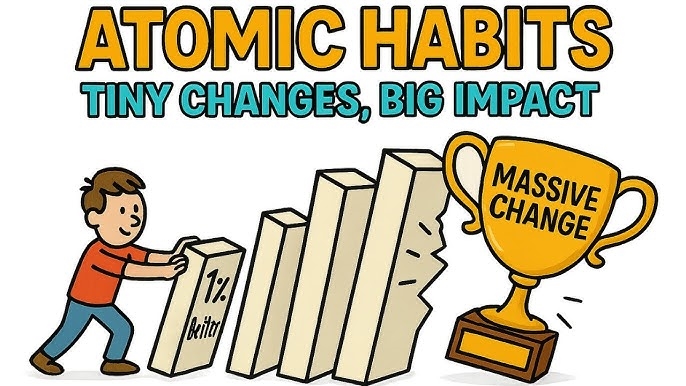
Small habits are the building blocks of profound personal growth. The idea is rooted in the concept that massive success or transformation doesn’t come from grand, overnight overhauls but from tiny, repeatable actions that compound over time. Think of it like compound interest in finance: a small daily deposit grows exponentially because it builds on itself. In life, this means that committing to a 1% improvement each day can lead to being 37 times better after a year, as popularized by James Clear in his book Atomic Habits. The power lies in consistency—small actions bypass the overwhelm of big goals, making change feel achievable and sustainable.
How Small, Consistent Actions Lead to Significant Life Transformations

At its core, this process leverages the brain’s wiring for habit formation. Habits form through repetition, creating neural pathways that make behaviors automatic. When you start small, you’re less likely to trigger resistance or burnout, which often derails larger efforts. Over time, these micro-actions accumulate, creating momentum and reshaping your identity. For instance:
Health and Fitness: Instead of vowing to run a marathon, start with a 5-minute walk daily. This builds endurance gradually. Studies show that consistent short exercises can lead to weight loss, improved cardiovascular health, and even better mental clarity. Over months, this might transform someone from sedentary to completing a half-marathon, boosting overall well-being.

Productivity and Career: Reading for 10 minutes a day exposes you to new ideas without feeling like a chore. This could evolve into finishing dozens of books annually, leading to skill acquisition, promotions, or entrepreneurial ventures. Research from habit experts indicates that such routines enhance focus and decision-making, turning average performers into high achievers.
Relationships and Mental Health: A simple habit like sending one grateful message to a loved one each morning fosters deeper connections. Consistency here can repair strained relationships or build resilience against stress, leading to happier, more fulfilling lives. Psychological evidence supports that gratitude practices reduce anxiety and depression over time.
The transformation happens through the “aggregation of marginal gains”—a term from cycling coach Dave Brailsford, who turned the British team into Olympic champions by improving every aspect by just 1%. Small habits create a ripple effect: better sleep from a no-screen bedtime routine leads to more energy, which fuels better work, which opens opportunities. The key is patience; big changes emerge from the unseen daily grind, not instant gratification.
Practical Tips for Building Sustainable Habits

To harness this power, focus on systems over goals. Here are actionable strategies, drawn from proven frameworks like habit stacking and cue-response-reward loops:
Start Micro:
Make the habit so small it’s impossible to fail. Want to exercise? Commit to putting on your sneakers daily—no workout required at first. This lowers the barrier and builds the “habit identity” (e.g., “I’m someone who exercises”).
Use Habit Stacking:
Attach the new habit to an existing one. For example, after brushing your teeth (cue), do 2 minutes of meditation (new habit). This piggybacks on established routines, making adoption seamless.
Track Progress Visually:
Use a habit tracker app or a simple calendar to mark daily completions with an “X.” The “don’t break the chain” method, inspired by Jerry Seinfeld, creates a visual streak that motivates consistency.
Optimize Your Environment: Remove friction for good habits and add it for bad ones. Place a water bottle on your desk for hydration, or move junk food out of sight. Environment design influences behavior more than willpower alone.
Employ the 2-Minute Rule:
Scale any habit to take less than 2 minutes. Writing a book? Start with “write one sentence.” This gets you started, and momentum often carries you further.
Anticipate Obstacles:
Plan for setbacks with “if-then” statements. “If I miss a day at the gym, then I’ll do a 10-minute home workout.” This builds resilience and prevents all-or-nothing thinking.
Reward Immediately:
Pair the habit with a small, enjoyable reward to reinforce the dopamine loop. After a reading session, enjoy a favorite tea. Over time, the habit becomes its own reward.
Review and Adjust Weekly:
Reflect on what’s working. If a habit fizzles, tweak it—maybe shorten it or change the time. Sustainability comes from iteration, not perfection.
Conclusion
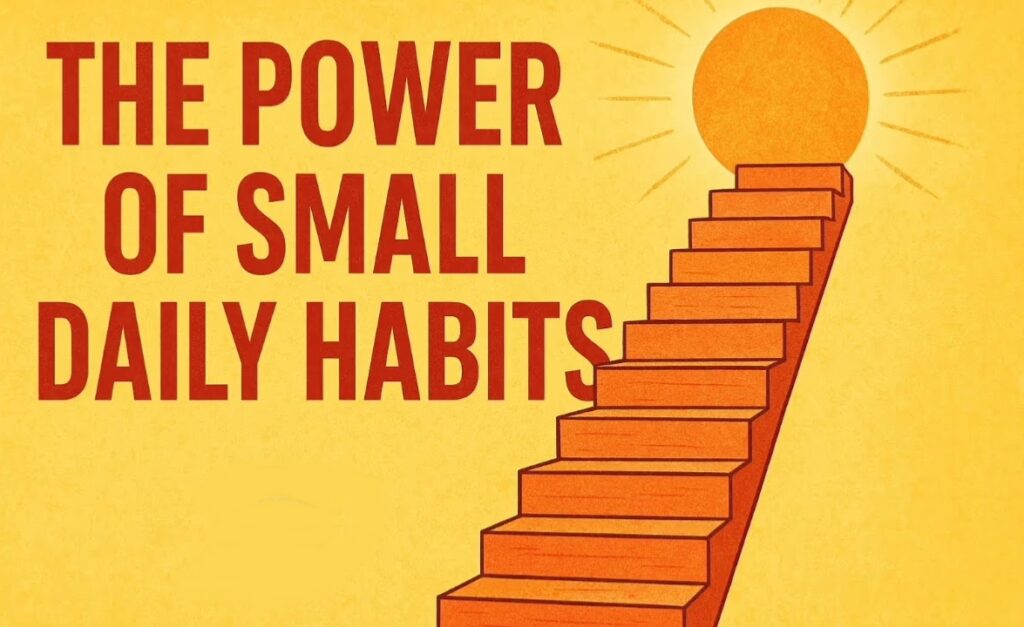
By focusing on these small shifts, you’ll notice transformations in energy, confidence, and results. Remember, the real power isn’t in the habit itself but in who you become through consistency. Start today with one tiny action, and watch the compound effect unfold.